In 2014, when two century-old dams on the Elwha River were removed, a stunned community watched salmon return to stretches of river that had been cut off for generations. That revival was not only ecological; it restored a sense of belonging, food security, and weekend hikes to families who had lost them. Read the National Park Service account of the Elwha restoration here and NOAA's fisheries summary here.
Today, rivers sit at the intersection of environmental stewardship, public health, and community resilience. Globally, roughly 2 billion people still lack access to safely managed drinking water services, amplifying the urgency of protecting freshwater systems (WHO).
Why river restoration matters
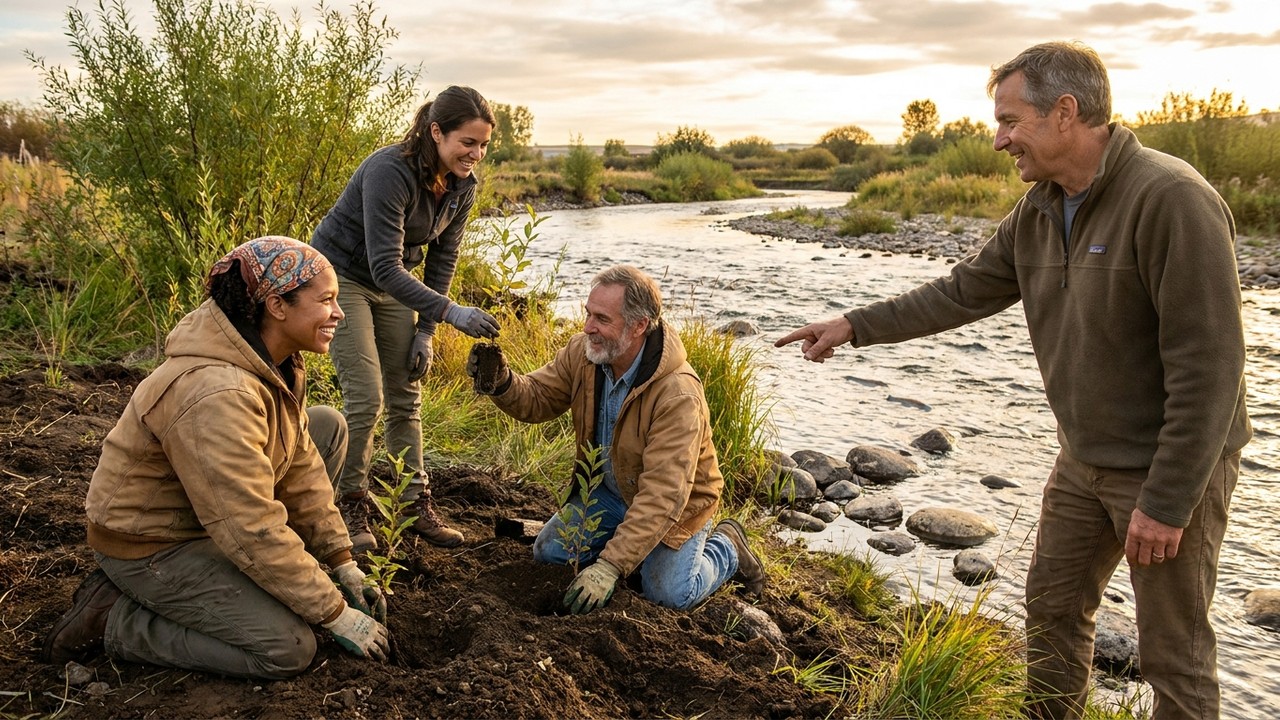
Restoring rivers — removing obsolete dams, rebuilding wetlands, planting riparian buffers — delivers measurable wins: improved fish passage and biodiversity, cleaner water, reduced flood risk, and more green spaces for mental and physical health. Organizations like American Rivers, Riverkeeper, and The Nature Conservancy are leading community-driven projects and tracking progress such as dam removals and habitat recovery (American Rivers dam removals map).
"When the dam came down, the river sang again."
This simple truth carries weight: blue and green spaces are not luxuries. They are public health infrastructure. Studies and public health agencies link access to nature with lower stress, more active lifestyles, and stronger social ties. Municipal investments in green infrastructure also reduce stormwater pollution and protect drinking water sources; the EPA explains how these approaches work here.
How you can help — immediate steps
- Volunteer locally: Join river cleanups and citizen monitoring programs through groups like American Rivers or your local watershed organization.
- Support nonprofits: Donate or become a member of groups restoring habitats, for example The Nature Conservancy or Riverkeeper.
- Advocate: Ask local leaders to invest in dam removals where safe, riparian planting, and green stormwater projects.
- Practice stewardship: Plant native buffers, reduce pesticide use, and choose low-impact recreation to keep rivers healthy.
Restoration is not a single miracle; it is a practice of many small, steady choices that add up. When communities roll up their sleeves to heal a river, they also heal opportunities for healthier living, climate resilience, and shared pride. There is real, documented hope — and your hands, voice, and decisions matter.
If you want a next step today: find a local cleanup, sign up with a river organization, or call your council to support green infrastructure. Together, we can turn stories of loss into songs of return.