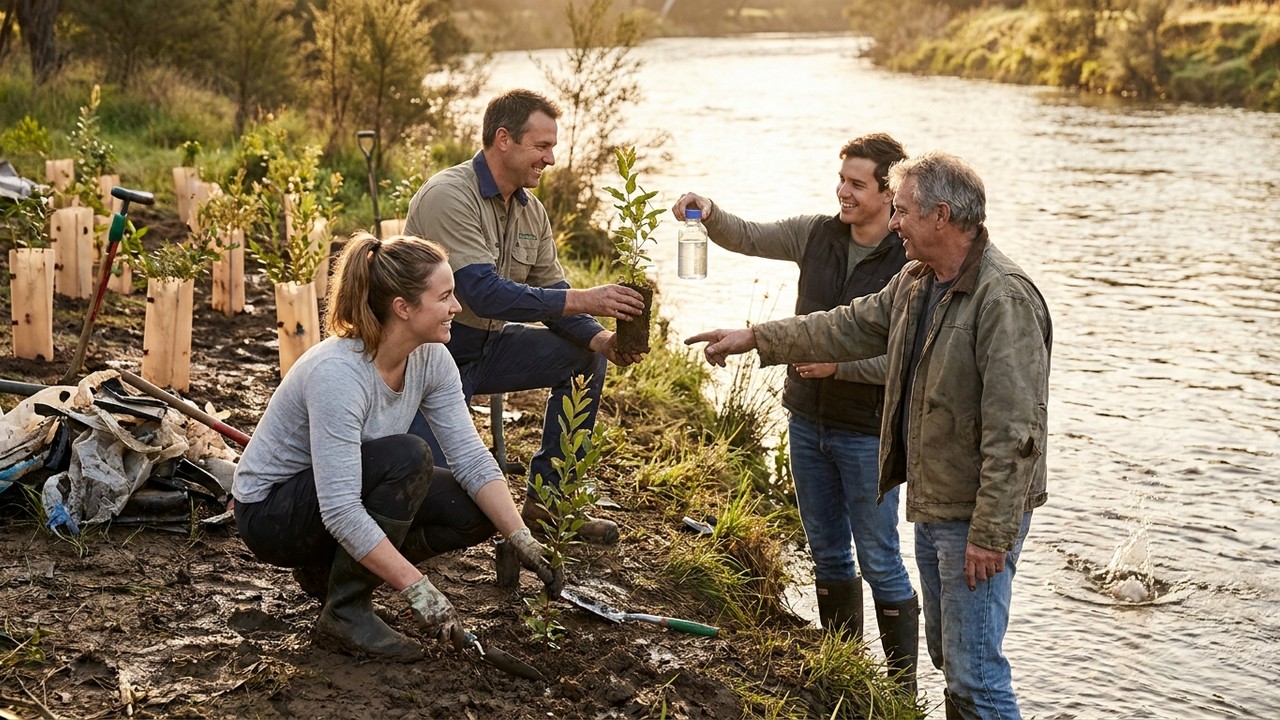
When 16-year-old Maya stood on the muddy bank of the river near her town last spring, she expected the old silence: trickles, debris, and the ache of a lost salmon run. Instead she heard a sound she had only seen in books — the splash of returning fish. That moment, small and electric, shows how community action, science, and commitment can turn a watershed from a casualty into a classroom and a cause.
Why this matters now
Freshwater life has been in dramatic decline: the Living Planet Report documented an average 84 percent drop in freshwater populations since 1970, a stark signal that rivers and watersheds are under siege from dams, pollution, and land conversion.
At the same time, solutions are scaling. American Rivers documents thousands of dam removals in the United States since 1999, returning miles of river to free flow and allowing species and communities to breathe again. The U.S. Environmental Protection Agency's watershed resources highlight how healthy watersheds underpin drinking water, agriculture, and climate resilience: protecting land upstream protects communities downstream (EPA Watershed Basics).
Stories of change
Maya volunteered with a local chapter of The Nature Conservancy and a youth river corps to plant riparian trees, remove trash, and monitor water quality. Small actions like planting native trees stabilize soil, shade streams, and cool water — vital for salmon and for communities facing warming summers. These initiatives are part of a larger movement where nonprofits, governments, and companies invest in natural infrastructure to protect both biodiversity and people.
"When young people lead, restoration becomes a lesson in stewardship and civic power," said a volunteer coordinator at a regional watershed program.
How social responsibility connects
Businesses and non-profits are increasingly recognizing that land conservation and watershed protection are core to social responsibility. Protecting the land above rivers reduces treatment costs, secures supply chains, and builds community resilience against floods and droughts. Organizations such as American Rivers and The Nature Conservancy partner with youth programs to create jobs, mentorship, and leadership pathways that link conservation to economic opportunity.
What you can do today
- Volunteer locally: join river cleanups or youth conservation corps; many groups post events weekly.
- Support proven nonprofits: donate or volunteer with groups like American Rivers or The Nature Conservancy that restore rivers and protect watersheds.
- Advocate: ask local leaders to fund green infrastructure and watershed protection in budgets and permitting.
- Learn and teach: bring watershed science into classrooms and company CSR programs to multiply impact.
These actions are not symbolic. They restore habitat, reduce flood risk, improve water quality, and create pathways for young people to become the next generation of leaders.
Hope is not abstract: every removed barrier, every sapling planted, and every young person trained rewrites a river's future. If Maya's river could find its voice again, so can many others — with your time, your voice, or your giving.
Take one step today: find a local watershed group, sign up for a cleanup, or support organizations working on the ground. Start small, and let that first splash become a wave.