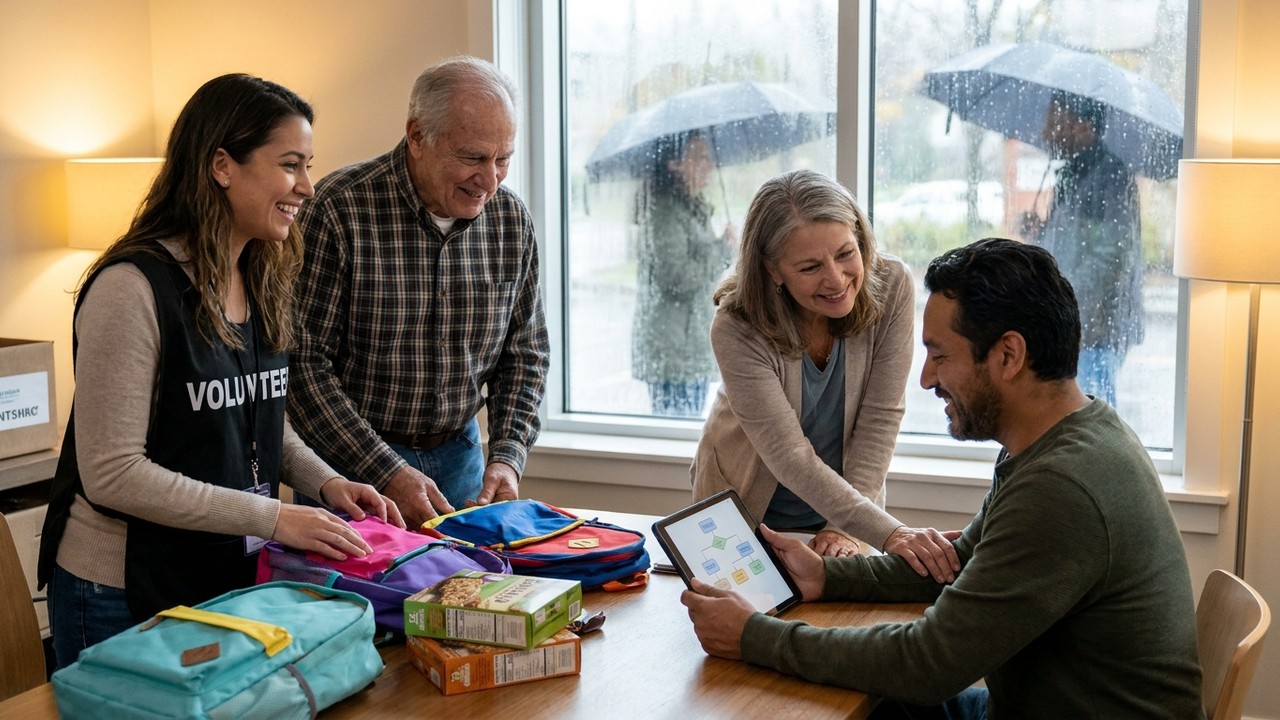
On a rainy November afternoon, 14-year-old Maya hesitated outside a community center, clutching a worn backpack and a phone with a single unread message: Are you coming today? That yes changed everything. Inside, a mentor listened, a peer group laughed, and a counselor helped her sketch a plan for school and sleep. That small network turned a brittle day into a turning point.
Why this matters now
Maya's story is not unique. Globally, UNICEF and WHO report one in seven adolescents (ages 10-19) experience a mental disorder, and the World Health Organization notes that half of mental health conditions start by age 14 yet most go untreated. At the same time, millions of families struggle to meet basics: United For ALICE documents large numbers of households that are asset-limited and income-constrained, increasing the barriers young people face accessing programs, nutrition, and safe spaces.
Community action that works
Across cities and towns, nonprofits turn statistics into solutions. Organizations like Boys & Girls Clubs of America and Communities In Schools provide after-school programs, tutoring, and counseling that keep youth engaged and supported. These programs are more than supervision; they are lifelines that build resilience, mental wellness, and opportunity.
"When a young person finds one consistent adult who believes in them, outcomes change—attendance, grades, behavior, hope."
Research and practice both show that early intervention, stable adult relationships, and community-based supports reduce risk and increase long-term success. Small investments compound: mentorship, nutritious meals, mental-health screening, and safe spaces prevent crises before they happen.
How you can help today
You do not need to be wealthy or a professional to move the needle. Here are concrete ways to act:
- Volunteer a few hours weekly at a local youth program or school-based initiative.
- Donate to trusted organizations that provide direct services, like after-school programs and counseling.
- Advocate for school-based mental health and expanded community funding with local leaders.
- Host a supply drive or partner with a nonprofit to cover basic needs—meals, transit passes, hygiene items.
- Share reliable resources and listen: sometimes the first step is asking, Are you okay?
If you want a starting point, visit your local Boys & Girls Club or Communities In Schools to learn volunteer opportunities and needs. Every conversation, every hour, every donation helps build the web that catches kids like Maya.
Hope is organized kindness. We can turn troubling statistics into local stories of resilience. Be the person who sends the message that changes a life.
Take one step this week: reach out to a school, sign up to volunteer, or make a small donation. The difference is real, immediate, and possible.