On a rainy Tuesday, Ms. Rivera watched three children trade bites of fruit and a sandwich in the school hallway because the cafeteria line was too long and the afterschool snack program had run out. That quick, small exchange stayed with her: a private barter against a public problem.
Why this matters now
Globally, hunger and diet-related illness are not distant issues. The UN's Food and Agriculture Organization reports that nearly 828 million people were undernourished in 2021, a number that reminds us food security remains an urgent challenge (FAO State of Food Security and Nutrition). At the same time, unhealthy diets and lifestyle-related conditions are lethal: noncommunicable diseases cause about 41 million deaths each year, roughly 74% of all global deaths, according to the World Health Organization (WHO NCD fact sheet).
Stories of solutions
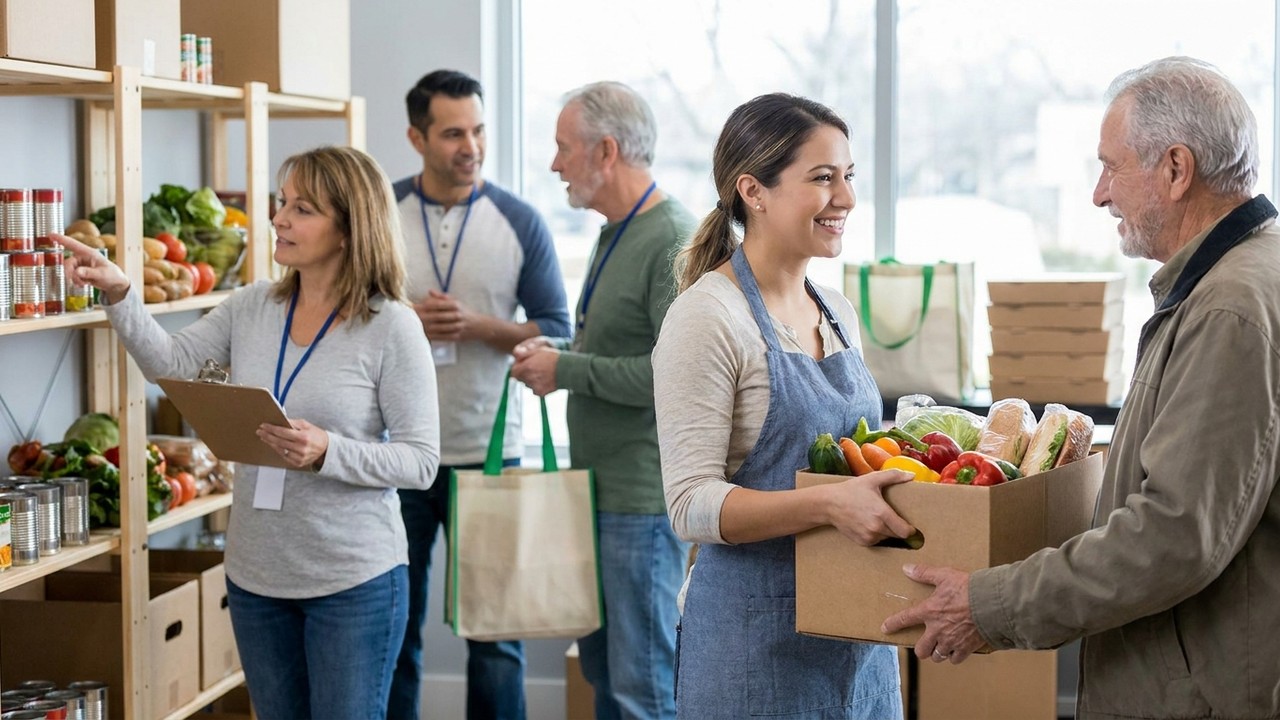
Across neighborhoods, nonprofits and volunteers are turning small acts into systems of care. Organizations like Feeding America coordinate food banks and school-meal support; international agencies such as the World Food Programme respond where hunger is most acute; and local groups like the Boys & Girls Clubs of America provide safe spaces for healthy meals, mentorship, and afterschool activity.
"It started as a pantry in a church basement; now children come for homework help, a hot meal, and a chance to play without fear," said a volunteer coordinator in a Midwestern city.
What works: community-led, youth-centered, health-focused
Evidence and experience show combined approaches make the biggest difference. Programs that link robust school meals, community food access, and youth development reduce hunger while promoting healthy habits and resilience.
- School meal programs keep children nourished and ready to learn.
- Community food hubs reduce waste and improve access to fresh produce.
- Youth mentoring builds life skills and supports healthy choices.
These are not theoretical fixes. They are how neighbors save each other from an empty stomach and a missed opportunity.
How you can act today
Small actions compound into change. Consider these steps:
- Volunteer or donate to your local food bank or partner organization.
- Support afterschool and youth development programs like the Boys & Girls Clubs that provide meals and mentorship.
- Advocate for stronger school-meal and community-nutrition policies with your local officials.
- Start or join a community garden or pantry to keep fresh food local and affordable.
Every effort matters. When a teacher, a volunteer, and a neighbor coordinate, they rewrite a child's day — and over time, a community's future.
If you feel moved, take one concrete step this week: find a local pantry to support, sign up to volunteer, or share this message with three people who can help. Hope grows when action follows concern.