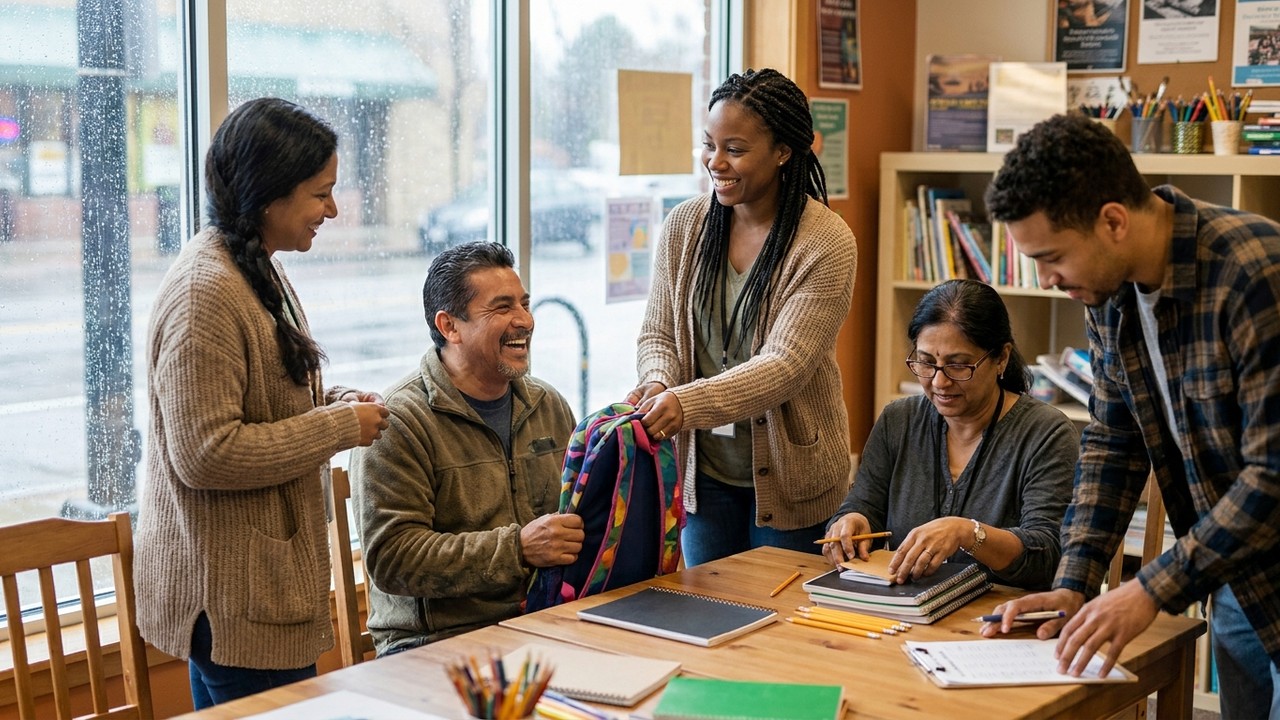
She arrived on a rainy Tuesday with a backpack full of notebooks and a silence that would not fit into any classroom. Maya, 15, found a mentor at her local club who listened first and asked questions later. That simple human presence changed how she thought about tomorrow. Stories like hers are quiet miracles happening in community centers, after-school programs, and neighborhood clinics every day—and they point to a larger fact: young people need more than services; they need relationships.
Why this moment matters
Mental health and social support for young people are urgent public issues. The World Health Organization reports that mental health conditions account for 16% of the global burden of disease and injury among people aged 10 to 19, and that half of all mental health conditions start by age 14. (WHO fact sheet)
In the United States, the Centers for Disease Control and Prevention documented a sharp rise in emergency visits for suspected suicide attempts among adolescent girls during the pandemic years—illustrating how fragile supports can push crises to the surface. (CDC report)
"Half of all mental health conditions start by age 14, but most cases go undetected and untreated." — World Health Organization
Community programs are the bridge
Neighborhood organizations provide safe spaces, mentors, mental health awareness, tutoring, and leadership opportunities. Nonprofits like Boys & Girls Clubs of America and Save the Children combine hands-on youth development with policy advocacy to keep young people connected and supported. Groups focused on student mental health, like Active Minds, are raising awareness on campuses and training peers to recognize warning signs.
These organizations show that investment in relationships and accessible programs reduces isolation, improves academic outcomes, and builds resilience. Every mentorship hour, staffed after-school program, and community-led workshop is a protective factor against the trends the data reveal.
How you can make a difference
- Volunteer locally: Offer time as a tutor, mentor, or program assistant at a community center or school. Even a few hours a week matters.
- Support trusted organizations: Donate or fundraise for programs that serve under-resourced youth. Look for organizations with transparent outcomes and community partnerships, such as Boys & Girls Clubs or local youth services.
- Advocate for policy: Ask local leaders to fund after-school programs, school counselors, and mental health services for adolescents.
- Listen and connect: Create spaces for young people to lead clubs, civic projects, and peer-support groups. Social empowerment grows when youth have voice and agency.
Hope in action
Change is not only possible; it is already happening. Community volunteers and nonprofit staff turn data into relationships. Schools partnering with mental health programs reduce stigma; clubs offering leadership training create new pathways to employment for youth from underserved neighborhoods.
If you want to act today: Find a local youth-serving organization and ask about mentorship opportunities; share this post with a neighbor; or contact your local representatives to support funding for school-based mental health services. For global context and resources on adolescent mental health, visit the World Health Organization's overview: WHO Adolescent Mental Health.
When a community chooses to listen, to show up, and to invest in its young people, the next chapter looks different. Be the neighbor who notices. Be the mentor who stays. Be the voice that demands systems that work for all children.