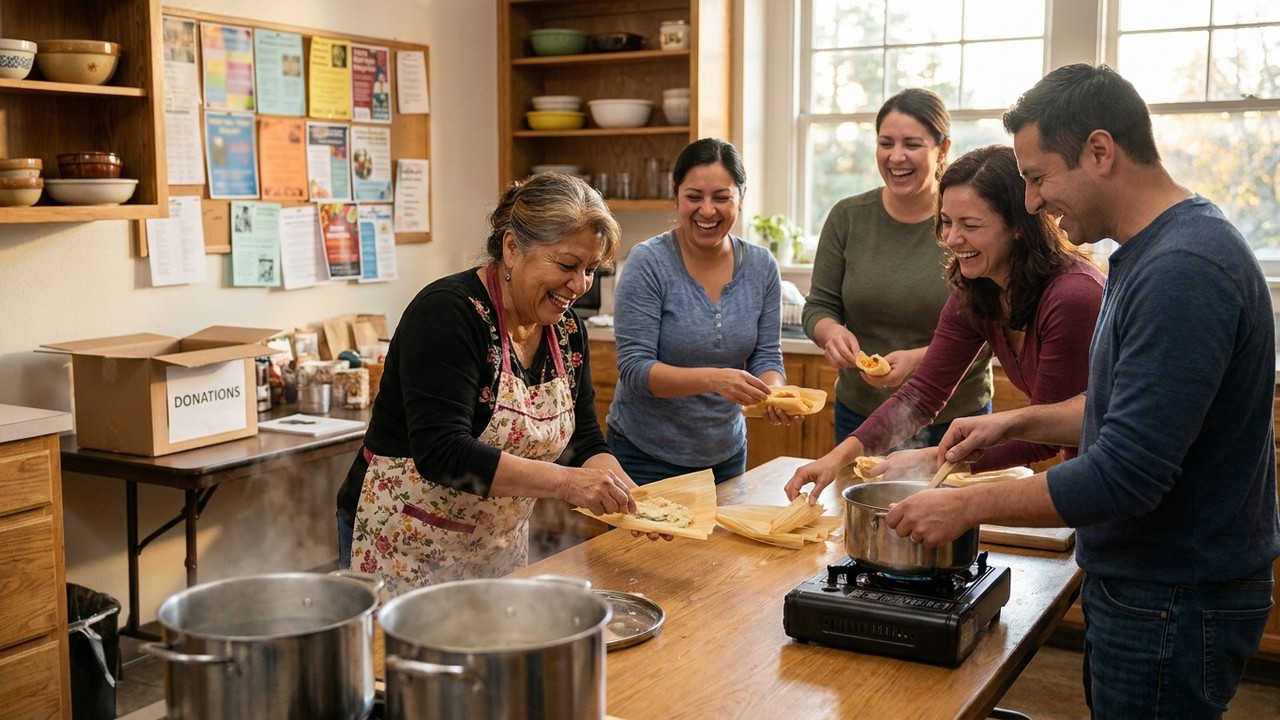
When Maria gathers neighbors in the church kitchen to teach her grandchildren and anyone who will listen how to make her grandmother's tamales, something larger than a recipe is passed along: history, pride, and a practical set of hands-on skills that help people feed each other, find work, and stay rooted. That same kitchen has become a classroom, a hiring board, and a hub for volunteers — a small portrait of how ethnic heritage, life skills training, and community support intersect.
Why this matters now
Our communities are changing fast. The 2020 U.S. Census found the population identifying as two or more races grew 276 percent from 2010 to 2020, underscoring both diversity and the urgency of preserving distinct cultural knowledge within neighborhoods: U.S. Census. At the same time, basic needs remain unmet: Feeding America estimated that in 2021 roughly 42 million people, including 13 million children, experienced food insecurity in the United States, a reminder that community support systems are lifelines for millions: Feeding America.
Stories of impact
Nonprofits are building bridges between heritage and practical skills. Year Up pairs job training with coaching and reports measurable outcomes for young adults moving into careers — showing how life skills plus opportunity create long-term change: Year Up. The Smithsonian's Center for Folklife and Cultural Heritage documents and amplifies community traditions so they remain active, living practices rather than museum artifacts: Smithsonian Folklife. Feeding America and its local food banks turn kitchens into community support centers and volunteer hubs: Feeding America.
"When we teach a young person to write a resume or a child to make a family recipe, we are teaching agency — the power to belong and to provide."
How communities knit these pieces together
Programs that combine ethnic heritage with practical training create multiplier effects:
- Cultural transmission: Oral histories, language classes, festivals and community cook-alongs keep identity alive and strengthen intergenerational bonds.
- Life skills training: Resume workshops, financial literacy, and digital skills translate cultural confidence into economic opportunity.
- Community support infrastructure: Food pantries, mentorship programs, and community centers provide immediate relief while building long-term resilience.
What you can do today
Action is local and immediate. Here are concrete steps that turn empathy into results:
- Volunteer at or donate to a local food bank: find ways to help through Feeding America.
- Support life-skills programs or internships that hire locally — see how to get involved with Year Up.
- Attend or help organize a cultural event that highlights local ethnic heritage; learn how the Smithsonian Folklife partners with communities.
- Turn a family recipe or craft into a workshop — small acts of teaching strengthen social capital and practical skills.
Hope is practical: when neighbors share skills, pass on traditions, and volunteer a few hours a week, communities become more resilient and opportunities multiply. Start small: teach, listen, give time, or give funds. The next tamale class you attend or job-readiness session you run could be the moment a neighbor finds work, pride, and belonging.