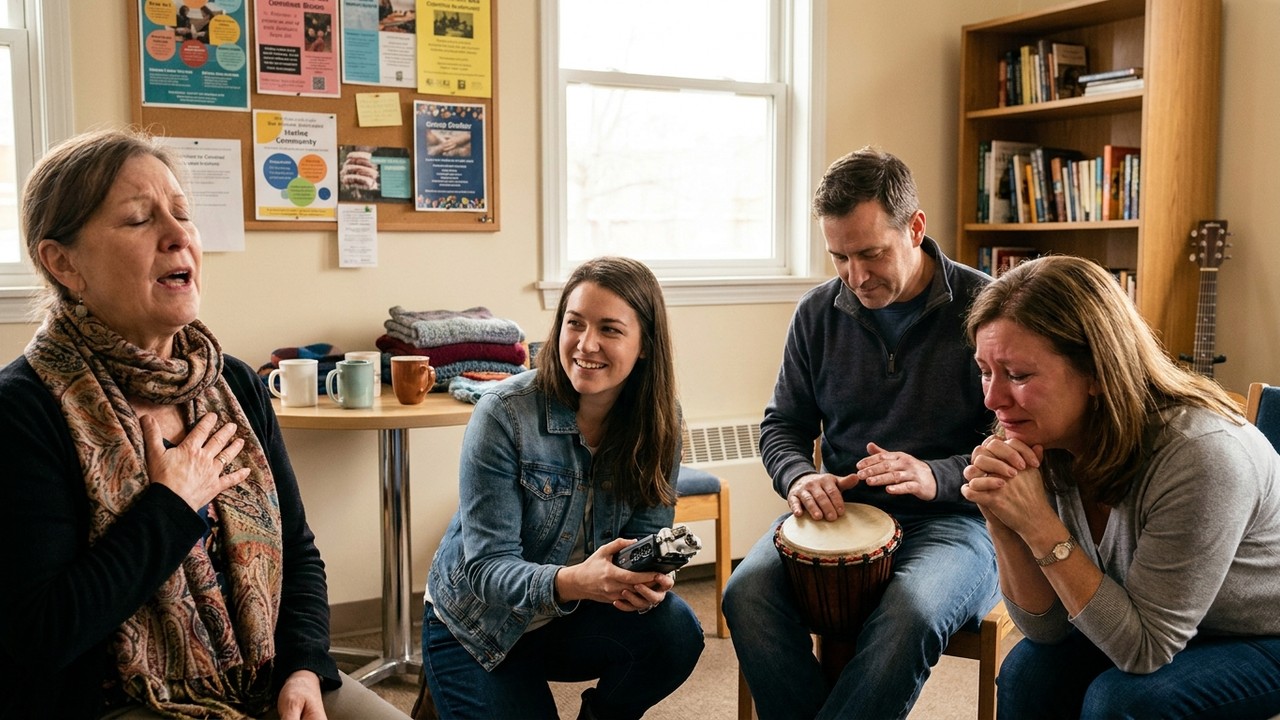
When Amina first stepped into a city shelter she expected a bunk and a meal. Instead she found a noticeboard for language classes, a weekly drumming circle, and a volunteer who wanted to record her grandmother's lullaby. That lullaby, sung in a language spoken by fewer and fewer people, became a bridge from trauma to community.
Why this matters now
Languages and performing arts are not extras—they are survival. UNESCO estimates that nearly 40 percent of the world's roughly 7,000 languages are endangered, and losing a tongue often means losing songs, stories, and rituals that hold communities together. Learn more at UNESCO: Languages.
Across cities, community shelters and cultural organizations are becoming multi-purpose hubs: safe housing, language learning, and stages for ethnic heritage. Nonprofits such as the Endangered Language Alliance work directly with immigrant and Indigenous speakers to document languages, while institutions like the Smithsonian Center for Folklife and Cultural Heritage amplify performing arts and living traditions.
What we hear and what we can do
Stories like Amina's are increasingly common. When shelters add cultural programs, residents report stronger social ties and improved wellbeing. Community engagement—whether teaching a child a native lullaby or mounting a street performance—keeps heritage alive and helps survivors heal.
"When we sang together, I felt that I belonged somewhere again," Amina said, her voice steady. "The song reminded me who I was."
Practical ways to help
- Volunteer time: teach a language class, host a traditional music workshop, or offer translation help at shelters.
- Donate or partner: support organizations documenting languages and running community arts programs such as the Endangered Languages Project or local cultural centers.
- Record and share: collect oral histories and songs from elders, with consent, and contribute them to archives and community repositories.
These steps are small but powerful. When shelter meets culture, it does more than keep people safe—it restores dignity, identity, and hope.
Take action today: Find a local shelter or cultural nonprofit, attend a community performance, or donate to organizations preserving languages and arts. A good place to start is Habitat for Humanity for community-led shelter work and the links above for language and arts preservation. Together we can ensure that lullabies, languages, and dances are not the next things we mourn.