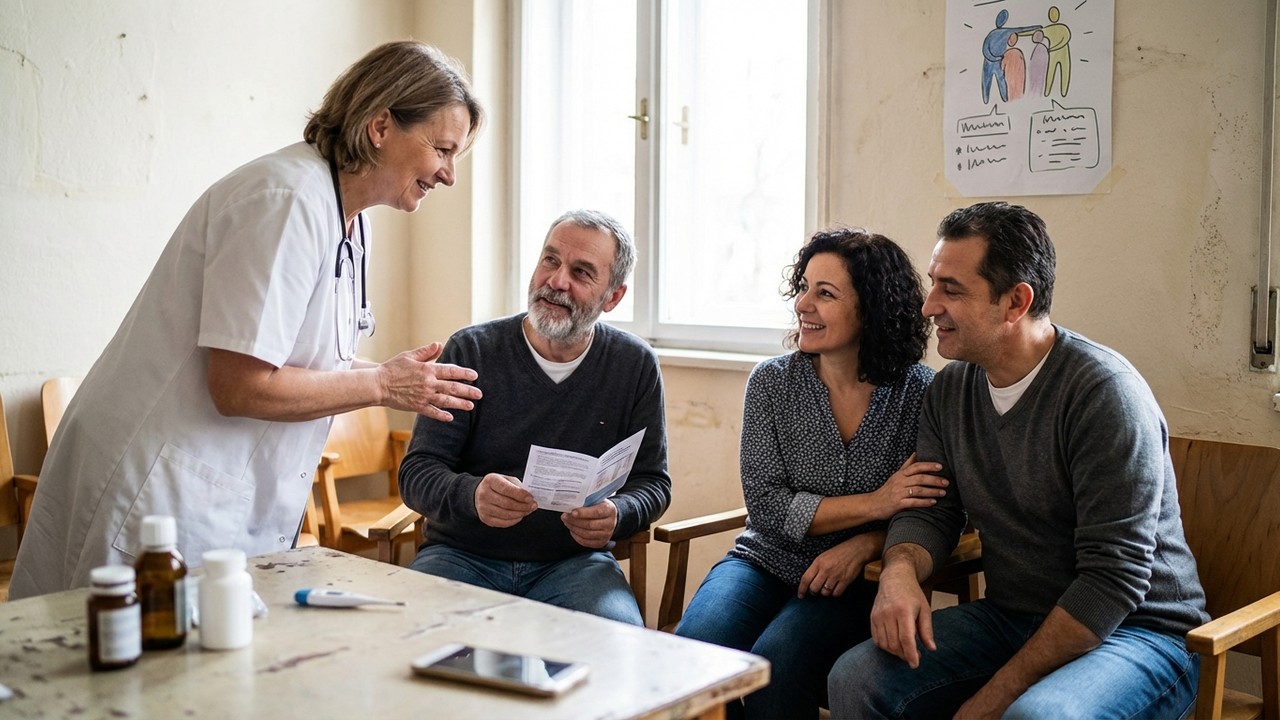
When 14-year-old Aisha had her first seizure in class, teachers whispered and her family searched the internet for answers. In many places the answer was not a neurologist but distance, cost, and silence. That silence is part of a global crisis: around 50 million people worldwide live with epilepsy, and most face barriers to diagnosis and treatment that can cost years of health and wellbeing.
"Around 50 million people worldwide have epilepsy; up to 70% could live seizure-free with appropriate treatment." WHO
Why access matters
Epilepsy sits at the crossroads of healthcare access and mental health. The World Health Organization notes that about 80% of people with epilepsy live in low- and middle-income countries where access to essential health services is limited. The same global health frameworks warn that at least half the world’s population still lacks access to essential health services, a gap that leaves treatable conditions untended and communities vulnerable (WHO on UHC).
Mental health and crisis intervention
Mental health is entwined with epilepsy: depression affects more than 280 million people worldwide and people with epilepsy have higher rates of anxiety and depressive disorders, increasing risk in times of crisis (WHO on depression). When a seizure happens, families need more than a clinic; they need crisis pathways and community support. In the United States, new crisis resources like the 988 Lifeline and organizations such as the Crisis Text Line are filling gaps, but global infrastructure remains uneven.
Non-profits on the front lines
Non-profits are bridging the divide. The Epilepsy Foundation works on seizure recognition, treatment navigation, and stigma reduction, while local community groups and global NGOs connect patients to care in low-resource settings. Peer support networks and organizations like NAMI offer mental health education that reduces isolation and helps families respond to crises.
Stories like Aisha's are common: delayed diagnosis, untreated seizures, and avoidable despair. Yet the data also offers hope. With appropriate treatment, up to 70% of people with epilepsy could live seizure-free—a powerful and measurable target for action (WHO).
How you can help
Change happens where communities organize and donors, volunteers, and policymakers align. Practical actions include:
- Learn the signs and first aid for seizures and share them with schools and workplaces.
- Support organizations like the Epilepsy Foundation and local mental health groups through donations or volunteering.
- Advocate for universal health coverage and crisis services in your community; contact local representatives.
- Promote peer-support groups to reduce stigma and provide immediate community-based crisis intervention.
Hope is real. Research, community programs, and crisis hotlines are saving lives today. If you can, take one step this week: share a trusted resource, sign up as a volunteer, or donate to a local program. Small acts create networks of care that turn isolation into support and uncertainty into treatment.
For Aisha, the first appointment and a school-wide seizure-awareness session changed everything. Imagine scaling that single act to millions. That is the work before us—practical, urgent, and deeply human.