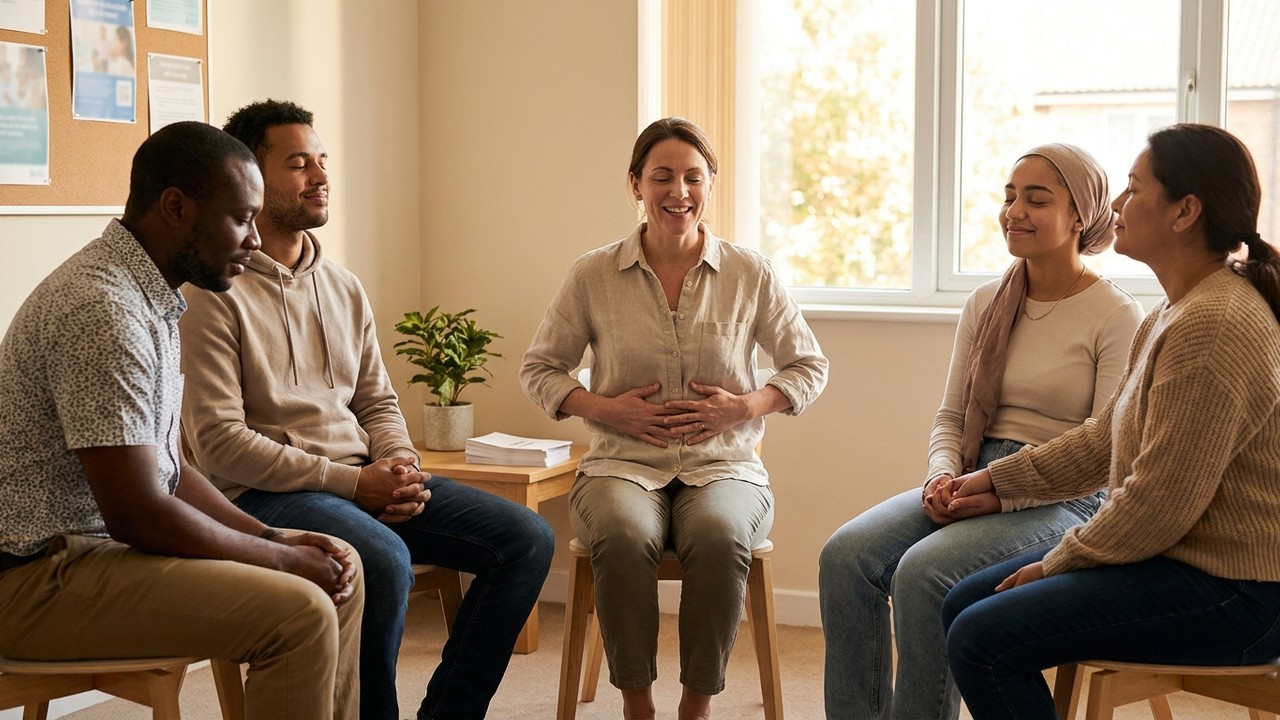
One in five — that simple ratio describes how many U.S. adults experience a mental health condition each year, and behind that number are neighbors, students, and co-workers whose lives bend when care is out of reach. Source: NAMI
A story: In a small neighborhood clinic, a high-school student named Asha learned breathing exercises and problem-solving steps that stopped panic attacks during exams. There was no psychiatrist on staff, but a trained community worker and a curriculum that taught life skills made the difference. That combination of tools and access turned a crisis into a new beginning.
Why access and skills matter
Data shows the gap is real: many communities still lack mental health providers and affordable care, especially in rural and underserved urban areas. KFF outlines the U.S. behavioral health workforce and access challenges. Young people are particularly vulnerable: the 2023 Trevor Project survey found alarmingly high levels of suicidal ideation among LGBTQ youth, underscoring the need for targeted, culturally competent support. Trevor Project 2023
What works: community care and life skills
Global and local evidence shows two things help most: building life skills so people can make positive choices in stress, and bringing care to communities rather than forcing people to travel far to receive it. The World Health Organization notes that mental disorders are a leading cause of ill-health and disability worldwide. WHO fact sheet
Nonprofits and partners are proving it: organizations like Partners In Health integrate mental health into primary care and community programs; NAMI offers education and peer support; and The Trevor Project provides crisis services for LGBTQ youth. These models show scalable, hopeful paths.
How you can act today
Change happens when small, concrete steps become collective action. Consider these ways to help:
- Learn and teach life skills: support or volunteer with local youth programs that teach coping, decision-making, and problem-solving.
- Support community care: donate to or partner with organizations like Partners In Health that embed mental health in primary care.
- Advocate for access: contact local officials to expand community mental health funding and workforce development (see KFF overview).
- Listen and connect: check resources at NAMI and The Trevor Project to refer someone in crisis.
"Community-based care and life skills education give people tools to survive today and thrive tomorrow."
Hope is not abstract. Across the globe, community health workers, youth programs, and nonprofits are showing that when skills meet accessible care, recovery and resilience follow. Be part of that movement: volunteer, donate, learn, and insist that access to mental health care be treated as essential health care.
Take one step now: visit NAMI to find local support, explore volunteer options at Partners In Health, or share trusted resources from The Trevor Project. Small choices, taught and supported, become the habits that heal.