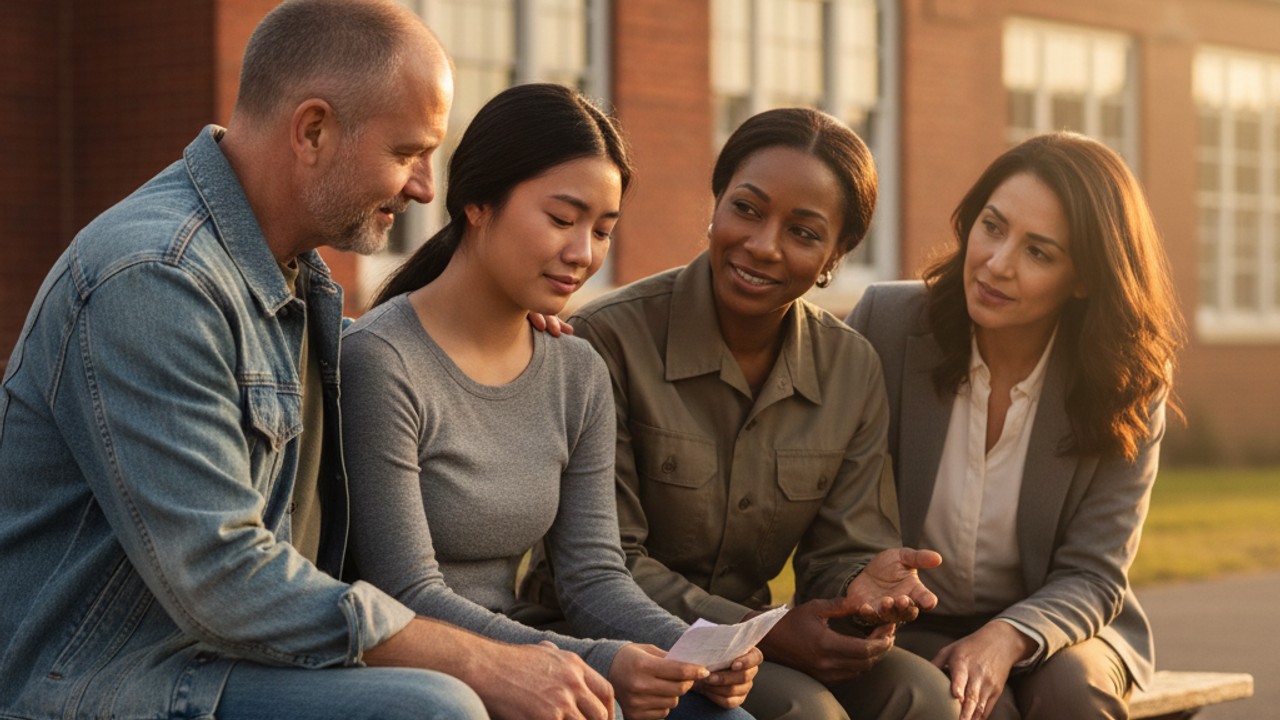
She sat on the school bench after class holding a crumpled permission slip and a throat full of words she could not say. In the United States and around the world, stories like hers are increasingly common: young people navigating pressure, grief, and isolation with too few supports.
This is a public health moment and a chance for social empowerment. The World Health Organization notes that depression is a leading cause of illness and disability among adolescents, and suicide is a leading cause of death in 15-29 year olds globally. See the WHO fact sheet for context: WHO: Adolescent mental health.
What the data says
Mental health is not an abstract issue. In the U.S., public resources track worrying trends: the Centers for Disease Control and Prevention has documented substantial increases in persistent feelings of sadness and hopelessness among high school students over recent years, underscoring the urgency of school-based supports. Read more at the CDC: CDC YRBSS data. Veterans are also at risk: the U.S. Department of Veterans Affairs shares detailed suicide-prevention data and emphasizes continued attention to veteran mental health—an area where community and peer support can make a real difference: VA suicide prevention data.
Where nonprofits are making change
Organizations are meeting the moment. The Jed Foundation partners with schools and campuses to strengthen mental-health protections for teens and young adults: The Jed Foundation. NAMI provides education and peer support for families and communities: NAMI. For veterans who find purpose in service, Team Rubicon mobilizes veteran-led disaster response while offering pathways to community reintegration: Team Rubicon.
"We can build systems where asking for help is treated like any other healthy habit—seeking care is strength, not weakness."
That sentiment guides much of the recent public-health advocacy around youth development and mental well-being. Evidence shows that early interventions, peer support, and school-based mental-health services reduce risk and increase resilience. Public health and social programs that center young people and veterans create ripple effects across families and neighborhoods.
How you can act today
Small actions add up. Here are practical steps individuals, companies, and community groups can take:
- Listen first: make time for a conversation with a young person or veteran in your life; asking a direct question can open the door to help.
- Support trusted nonprofits: consider volunteering, partnering, or donating to groups like The Jed Foundation, NAMI, or Team Rubicon.
- Advocate for school and workplace mental-health services: contact local school boards and employers to prioritize counselors and evidence-based programs.
- Promote public-health literacy: share reliable resources from the WHO and CDC to reduce stigma and guide people toward care.
There is cause for hope. Communities that invest in youth development, social empowerment, and accessible mental-health care see young people and veterans regain stability, purpose, and connection. Your voice, your time, or a small donation can help turn a crumpled permission slip into a plan for support.
If you or someone you know is in immediate crisis, please reach local emergency services. For additional U.S. resources, see the National Suicide & Crisis Lifeline information at SAMHSA and your country's equivalent public-health services.
Together we can build safer schools, stronger transitions to adulthood, and communities that never let a veteran or young person sit alone on a bench with unsaid words.