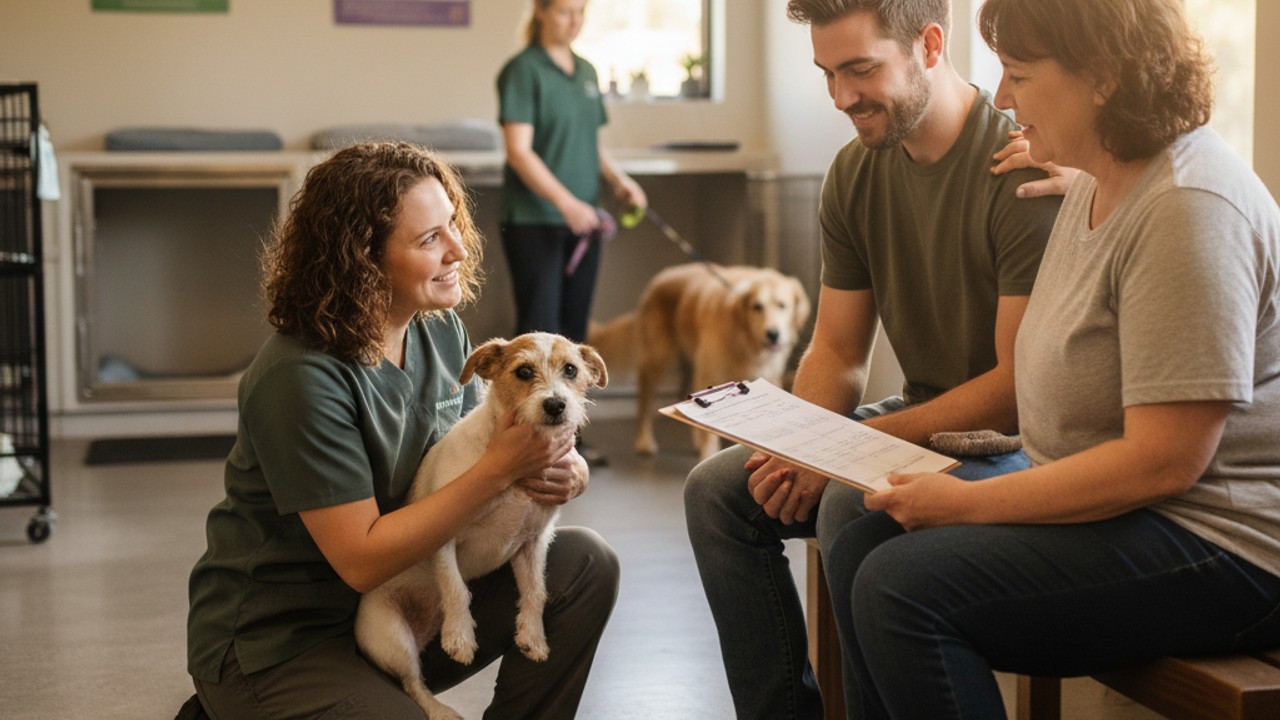
When 16-year-old Ana first met a nervous terrier named Bruno at her city shelter, she thought she was there to help the dog. Months later, shelter staff say Bruno helped Ana rebuild the habit of trust. Stories like theirs are quiet each day in shelters across the country, where animals and young people find mutual rescue.
Why this matters now
Millions are still affected. The ASPCA estimates that about 6.3 million companion animals enter U.S. shelters each year, and many shelters rely on fosters and adopters to save lives; the ASPCA keeps a useful overview of these trends here. At the same time, youth homelessness and housing instability remain urgent: more than 1.3 million public school students experienced homelessness during the 2021-22 school year according to the U.S. Department of Education's National Center for Homeless Education report.
Where nonprofits are making a difference
Organizations are bridging gaps with practical programs that lift both animals and people. Best Friends Animal Society runs large-scale adoption and foster networks and invests in community-based programs that reduce shelter intake. Big Brothers Big Sisters documents measurable youth outcomes—mentees are less likely to skip school or start using drugs—showing how stable relationships build resilience. Groups such as Pets of the Homeless provide veterinary care and supplies to people experiencing homelessness, recognizing that pets are often essential supports for their owners.
What the research and programs tell us
There is growing evidence that caring for an animal can improve emotional regulation, reduce loneliness, and create a routine—key components of resilience for youth facing instability. Mentoring and youth development programs complement that by offering adult support, educational help, and pathways to stable employment. Together, these interventions work on different parts of the same problem: connection, safety, and opportunity.
How you can help today
- Foster or adopt: Shelters need temporary homes. Best Friends and local shelters list animals ready for foster or adoption; start at Best Friends.
- Mentor a young person: Programs like Big Brothers Big Sisters accept volunteers who can change a life; learn more at BBBS.
- Support pet-inclusive homelessness services: Donate or volunteer with groups such as Pets of the Homeless to keep people and their pets together: petsofthehomeless.org.
- Advocate locally: Ask your city to support pet-friendly shelters, youth outreach, and funding for foster and mentoring programs.
"When you give a young person a chance to care for something and someone, you often see their whole world widen." — shelter volunteer
There is grief in these stories, but also hope. Small acts—fostering a dog for a month, committing to weekly mentoring, donating a few dollars to a clinic—have ripple effects. If you can, take one action this week: visit your local shelter, sign up to learn about mentorship, or share this note with a friend. Communities that value shelter, adoption, and youth development build resilience together.