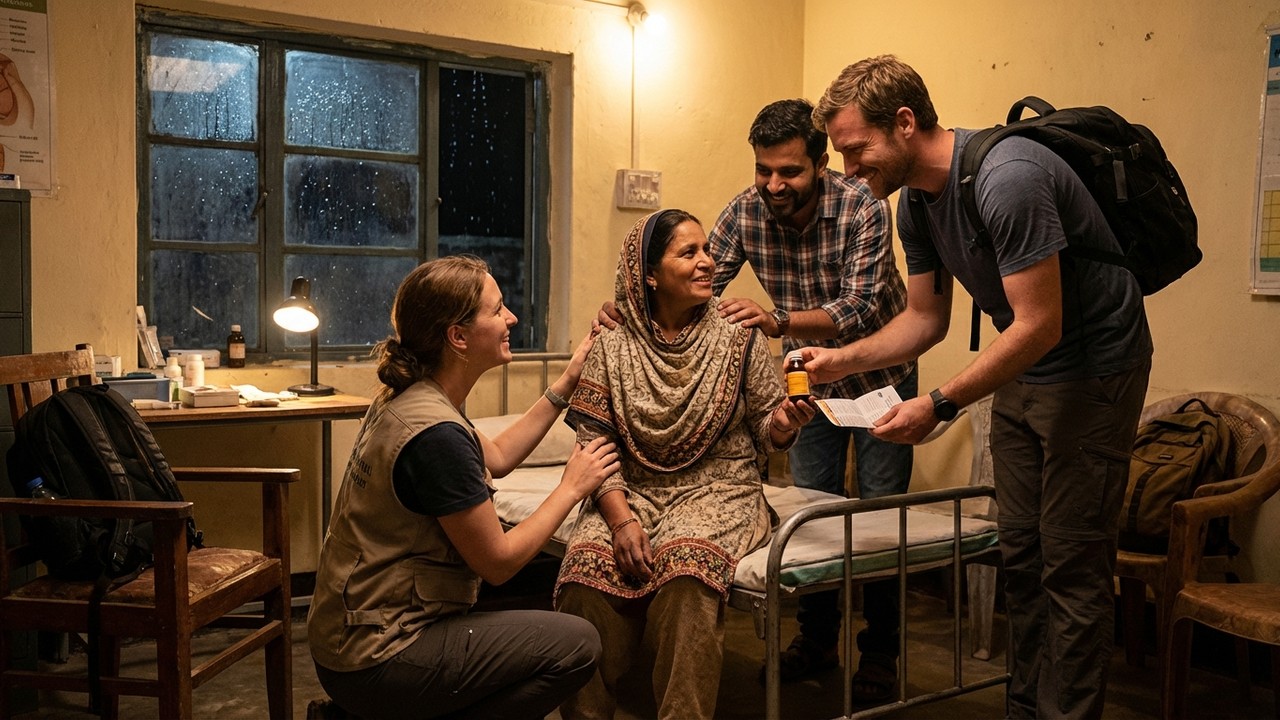
On a stormy night in a small village, Amina watched her eight-year-old son fall into a seizure. With no clinic nearby and no one trained in seizure first aid, fear felt louder than the rain. That fear is not rare: epilepsy affects about 50 million people worldwide, and in many low-income countries up to 75 percent of people with epilepsy do not receive the treatment they need (WHO - Epilepsy fact sheet).
Why this matters now
Mental health and neurological conditions are global health priorities. An estimated 970 million people were living with a mental disorder in 2019, underscoring the scale of unmet need (WHO - Mental health fact sheet). At the same time, crises and displacement make access worse: frontline organizations continue to report growing demand for mental health and epilepsy care in conflict and humanitarian settings (Médecins Sans Frontières - Mental health).
Where help is making a difference
Community-based programs and nonprofits are closing gaps. The Epilepsy Foundation offers education, seizure first-aid resources, and advocacy to reduce stigma. International health NGOs deploy mental health teams and support community health workers to deliver care where formal systems are weak; Partners In Health and MSF are among groups demonstrating how locally rooted care saves lives (Partners In Health, MSF).
This is where community support, healthcare access, and international solidarity meet: training neighbors, equipping clinics with essential medicines, and integrating mental health into primary care reduces suffering and restores dignity.
How you can help today
- Learn seizure first aid and share it with your community. Reliable guidance is available from organizations like the Epilepsy Foundation.
- Support nonprofits that deliver care in hard-to-reach places: donate or volunteer with groups such as MSF or Partners In Health.
- Advocate for local mental health services: contact elected officials to fund community mental health teams and training for primary-care workers.
- Join or start a community support group to reduce isolation for people with epilepsy and mental illness.
Small actions add up. When neighbors are trained, when a clinic has basic anti-seizure medication, when a young person can access counseling locally, lives change. Community support and international aid are not abstract—they are the hands that steady a family in a storm.
If you felt something reading this, act. Share seizure first-aid guidance, give to a trusted nonprofit, or ask your local clinic what mental health services are available. Together we can narrow the treatment gap and bring care to the unseen.