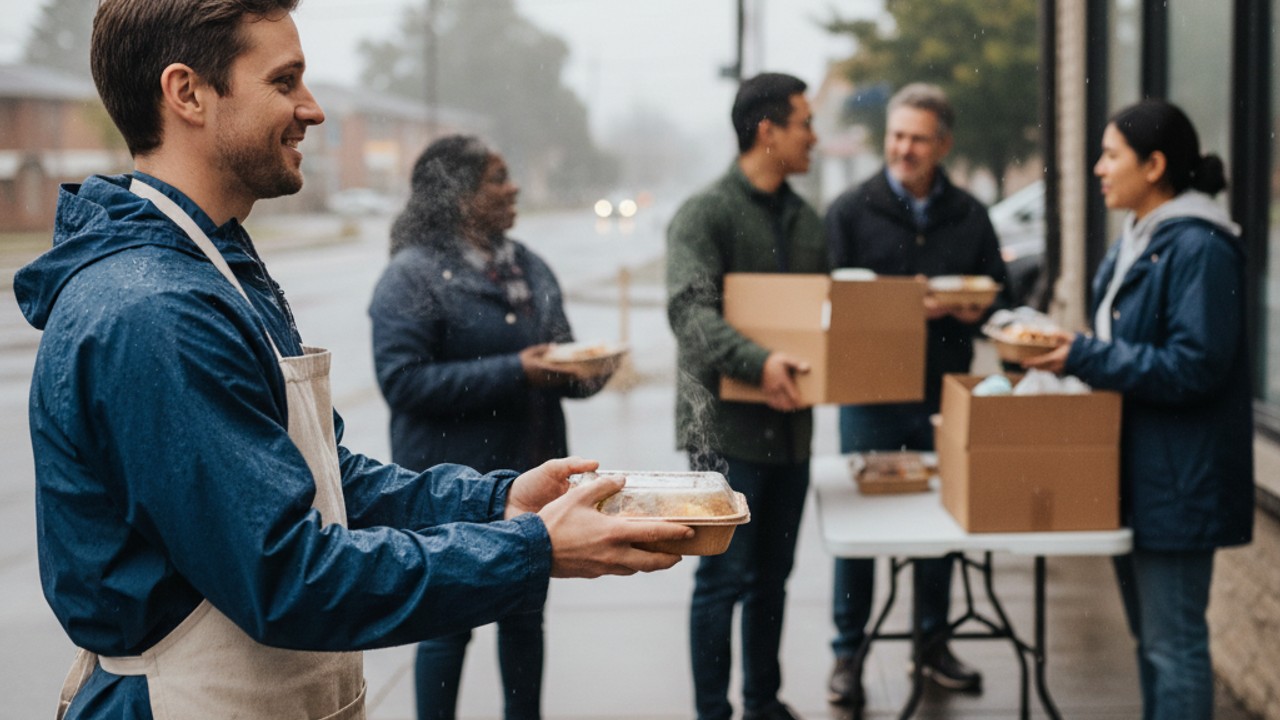
On a wet Tuesday morning a volunteer at a neighborhood pantry handed a steaming container to a single mother named Ana and said, "Take this first, we will figure out the rest." That simple, steady gesture — a meal, a listening ear, a promise to come back — is how communities hold one another up when systems strain.
Why it matters now
In recent years global humanitarian needs have surged and the spotlight on food security and crisis response has never been brighter. The United Nations and the Food and Agriculture Organization note that progress against hunger reversed after decades of decline, leaving millions vulnerable; see the UN Food and Agriculture Organization's State of Food Security and Nutrition report for the latest analysis (SOFI 2023). At the same time, national crisis systems are evolving: the U.S. three-digit crisis line 988 now offers a dedicated path for immediate behavioral-health crises, lowering barriers to emergency intervention.
Real organizations, real impact
Nonprofits on the front lines are translating attention into action. World Central Kitchen delivers hot meals at disaster sites and in conflict zones, while groups like Feeding America coordinate local food banks across the United States to meet surging need. For crisis response and volunteer mobilization, Team Rubicon blends veterans and volunteers to help communities recover after disasters. For older adults and homebound neighbors, Meals on Wheels connects meals with companionship and regular welfare checks.
What the numbers and stories tell us
Numbers alone do not capture the lines at pantry doors, the parents choosing between rent and food, or the callers who reach 988 desperate for someone to listen. Still, data and reporting make clear this is a systemic challenge: international agencies document rising humanitarian needs, while local networks report persistent high demand at food banks and crisis centers. Read more about global needs assessments and humanitarian overviews from the UN Office for the Coordination of Humanitarian Affairs (OCHA) and FAO (FAO).
How you can act today
Small steps compound into lasting change. Here are practical ways readers can help right now:
- Volunteer a few hours at a local food pantry or Meals on Wheels program; space and shifts are often available for short-term volunteers.
- Support organizations that deploy meals immediately after disasters, like World Central Kitchen, or that strengthen local food systems such as Feeding America.
- If you are in the U.S., save the crisis line number 988 and share it with networks; encourage mental-health first-aid training in your workplace and community.
- Advocate with local leaders for sustained funding for food assistance, community mental-health services, and crisis-intervention infrastructure.
"When neighbors show up, systems bend toward survival and dignity."
We wake up each day with the ability to be the person who hands over the meal, answers the call, or shows up after the storm. Hope is active: it is a hot meal served at a table, a trained volunteer answering 988, a community center that becomes a lifeline. If you can, donate, volunteer, or contact your local representatives to strengthen food-security and crisis-intervention programs. To begin, visit the organizations mentioned above, or find a local food bank or crisis center and ask, "How can I help?"