
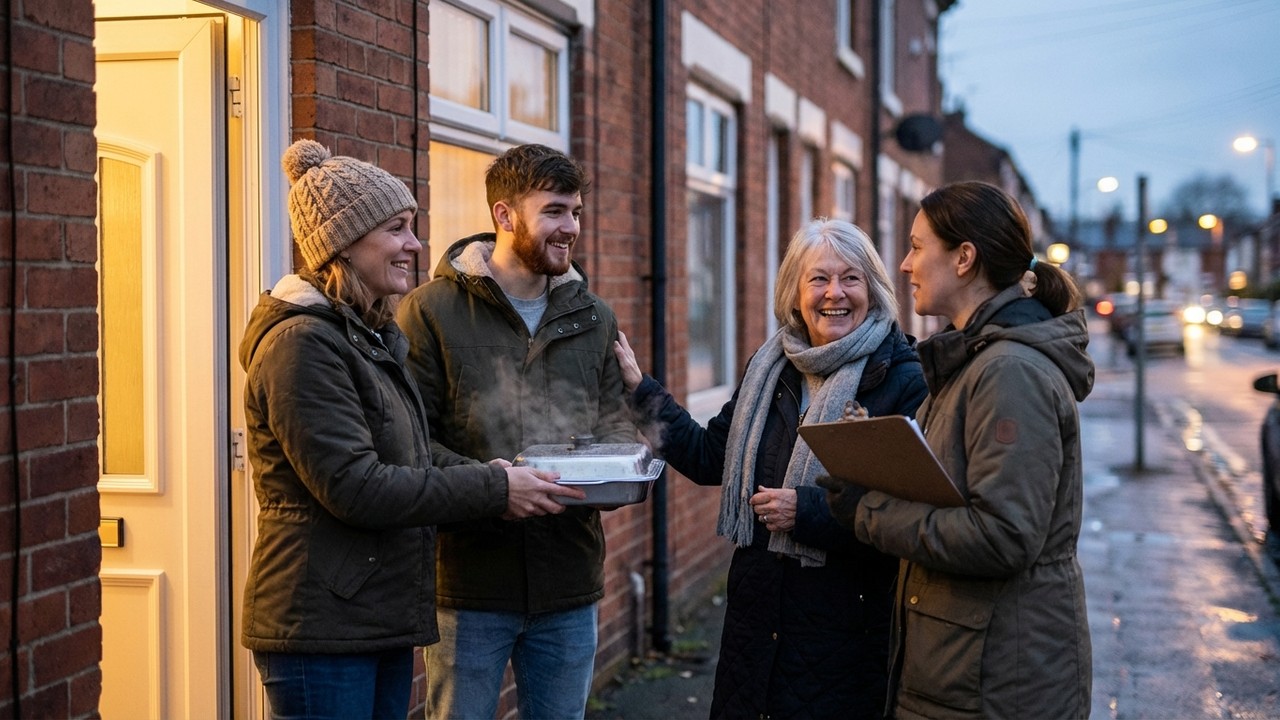
When Maria opened the door to a steaming meal and a warm smile last winter she did not just get food; she was handed dignity and a human voice on a day when she felt invisible. Stories like hers are the reason we look at numbers and feel compelled to act.
The scale is stark: the USDA reports that in 2022 about 10.2 percent of U.S. households experienced food insecurity at some point that year (USDA ERS, 2023). On any given night, federal data collection and advocacy groups point to hundreds of thousands of people experiencing homelessness in the United States (HUD AHAR).
Why connection matters
Beyond shelter and calories, isolation compounds harm. The U.S. Surgeon General's 2023 advisory made clear that social connection is essential to health and that loneliness increases risks for heart disease, depression, and early mortality (Surgeon General Advisory, 2023).
"Social connection is an essential component of health." — U.S. Department of Health and Human Services
Organizations turning numbers into action
Nonprofits are meeting people where they are. Feeding America runs food banks and emergency response networks across the country. Meals on Wheels pairs nutrition with door-step visits that reduce isolation among older adults. The National Alliance to End Homelessness pushes policy and local solutions that prevent housing loss and expand rapid rehousing.
Health access ties into all of this: millions remain uninsured or underinsured, creating barriers to care that worsen food insecurity and housing instability (KFF: Key Facts about the Uninsured).
Small acts, big ripple effects
Change happens one hand at a time. You can be the person who delivers the meal, signs the petition, or brings someone to an appointment. When programs combine food delivery with check-ins or pair housing navigation with health services, outcomes improve and costs fall.
- Volunteer: Local meal programs and shelters need hands and conversations. Find opportunities at Feeding America or Meals on Wheels (Feeding America volunteer | Meals on Wheels ways to help).
- Give where it counts: Support organizations that blend services—food, housing, and social support—to build lasting stability.
- Advocate: Contact your representatives to support policies that expand health coverage and affordable housing; use resources from the National Alliance to End Homelessness to guide your asks (Take action).
Hope is real. Community-based programs reduce emergency-room visits, prevent eviction, and restore trust. When neighbors deliver meals or caseworkers help a family secure housing, numbers change and lives do too.
If Maria's story moved you, start small: volunteer for a local meal delivery shift, donate to a nearby food bank, or share a trusted resource with someone who is isolated. Each of these steps is a thread in a safety net. Together, they keep people from falling through.
Take one action today: find a local program, sign up for a shift, or call your representative to demand policies that link food, housing, and health. When we pair compassion with strategy, we create systems that sustain dignity and connection.


