
Every 34 seconds, someone in the U.S. dies from cardiovascular disease. That stark fact from the CDC is not an abstract number in a report — it is Mrs. Alvarez down the block, the neighbor who skipped her clinic visit because transportation was a barrier, the friend whose high blood pressure went uncontrolled because care felt out of reach. (CDC: Heart Disease)
Across cities and small towns, neighbors and nonprofits are turning that statistic into stories of local impact. Community health centers, faith groups, Meals on Wheels drivers, and volunteer health workers are the frontline of health access and health equity, delivering care, food, and compassion where the system falls short. Federally Qualified Health Centers alone serve more than 30 million people nationwide, offering primary care regardless of ability to pay — a lifeline for many families. (HRSA: Health Centers)
Why neighborhood support matters
High blood pressure affects roughly one in three adults in the U.S., and social factors — income, housing, transportation, and neighborhood safety — shape who gets care and who does not. (CDC: Blood Pressure Facts) These are not just medical problems; they are local problems with local solutions.
Organizations like the American Heart Association are advancing community-based prevention and education, while groups such as Partners In Health and Direct Relief focus on expanding access and reducing disparities globally and locally. (American Heart Association) (Partners In Health) (Direct Relief)
Stories of small actions, big change
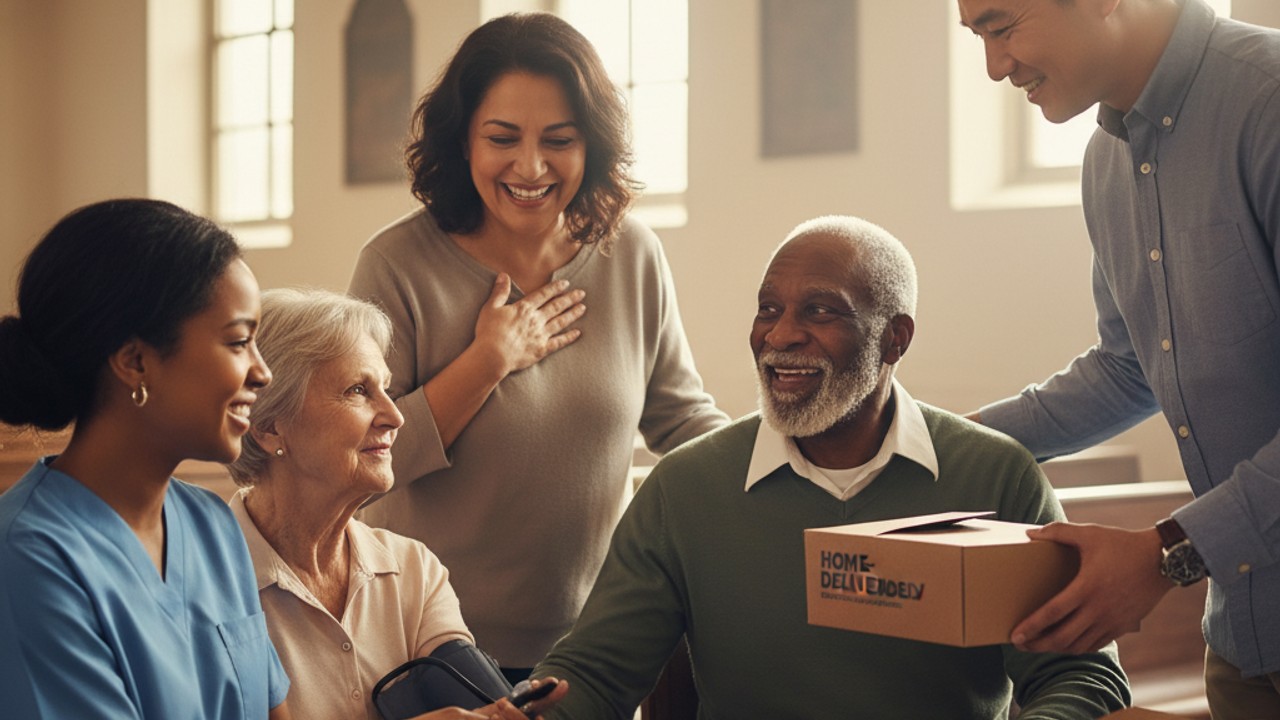
In one neighborhood, a volunteer-run blood-pressure clinic in a church basement identified dozens of residents with uncontrolled hypertension and connected them to sliding-scale care at a nearby community health center. Meals on Wheels drivers, often the only daily contact for homebound seniors, report health concerns to care coordinators, preventing emergencies. (Meals on Wheels America)
"When we meet people where they live, the barriers fall away. Medicine is necessary — presence is transformative."
That presence is measurable: communities with robust neighborhood support and accessible primary care see fewer hospitalizations for chronic conditions and better long-term outcomes.
How you can help today
Hope grows where action follows concern. Here are concrete ways to turn empathy into impact:
- Volunteer locally: Join a community health clinic, Meals on Wheels route, or a neighborhood cardiovascular screening. Contact your local FQHC to ask how to help. (Find health centers)
- Support nonprofits: Donate or advocate for organizations doing outreach and access work, such as the American Heart Association, Direct Relief, or community clinics. (AHA) (Direct Relief)
- Advocate for policy: Back local and state policies that expand Medicaid, fund community health workers, and invest in neighborhood infrastructure that supports health. Learn more about the uninsured and policy levers. (KFF: Uninsured Facts)
Small acts add up: a home-delivered meal, a ride to a clinic, a listening ear at a screening — each bridges the gap between suffering and healing. The statistics are urgent, but the engine of change is local, human, and within reach. Join your neighbors, support trusted organizations, and be part of the movement that turns data into dignity.
If you want help finding a local clinic, volunteer opportunity, or a trusted nonprofit to support, reply to this newsletter and we will connect you to resources in your area.


