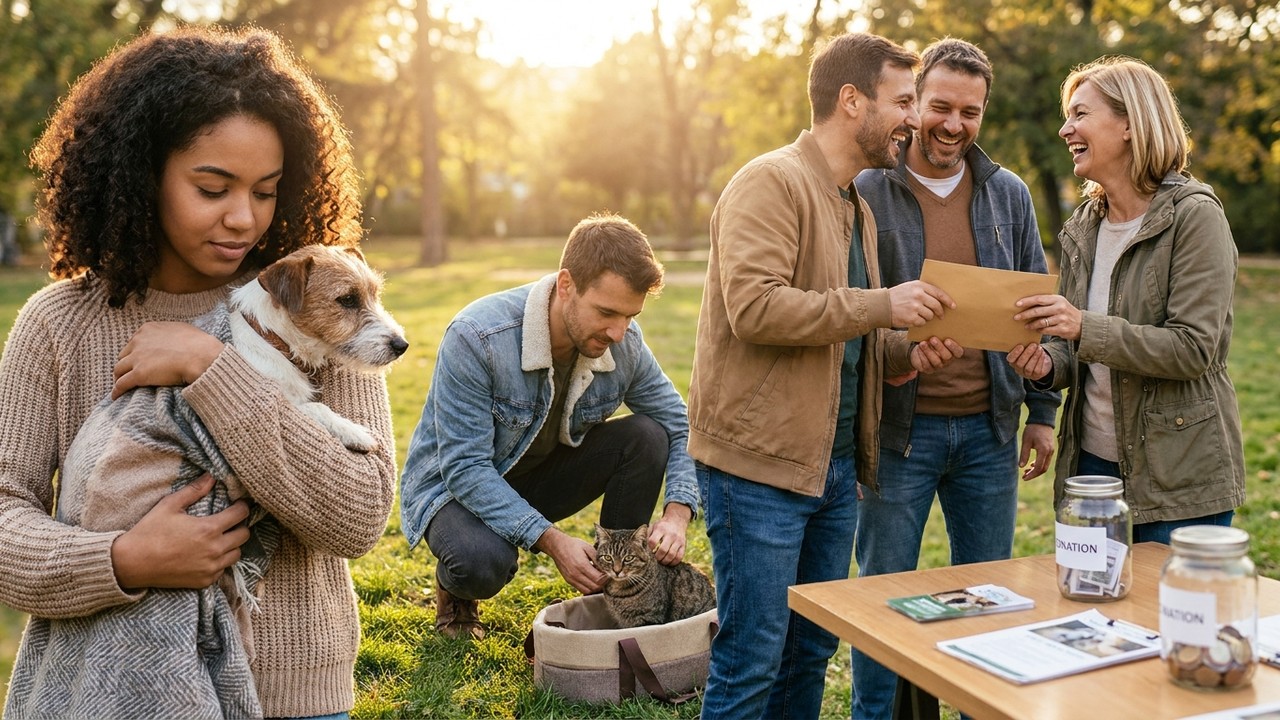
When 17-year-old Maya found a trembling terrier behind a grocery store last winter, she did what too many of us only wish we could: she carried him home, posted photos, and organized a small online fundraiser to cover vet bills. In three weeks the dog had a name, a foster family, and a permanent home. Maya's effort is one story among millions, but it shows how young people and community fundraising are closing the gap between crisis and care.
The scale of the problem is real: the ASPCA estimates that roughly 6.3 million companion animals enter U.S. animal shelters each year — about 3.1 million dogs and 3.3 million cats — and many still need rescue, medical care, and loving homes. Read more at the ASPCA: aspca.org.
There is reason for cautious optimism. Data collected by Shelter Animals Count and the movement behind organizations like Best Friends Animal Society show sustained declines in shelter killing over the last decade and the rise of community-driven no-kill efforts. These wins, however, are fragile: economic shocks, disasters, and gaps in local funding create sudden surges in homeless animals that strain shelters and rescue groups.
Why youth and fundraising matter
Youth bring urgency, creativity, and networks. Platforms like DoSomething.org and community-driven fundraisers help young people translate compassion into concrete resources: emergency vet care, transport, spay/neuter clinics, and foster programs. Local fundraisers can be the difference between an animal being treated or being left behind.
"It wasn't just about money — our fundraiser got people to meet the dog, volunteer, and ultimately adopt. Fundraising built a community around one life." — a volunteer foster
Simple actions that save lives
You don't need to be a nonprofit director to help. Start small, start local, and build momentum.
- Adopt or foster: Give an animal space to heal and show shelters there's demand for forever homes.
- Fundraise: Run a bake sale, a virtual drive, or a peer-to-peer campaign to cover medical or transport costs. Platforms and local shelters accept small campaigns immediately.
- Volunteer and youth leadership: Teen-led education and outreach reduce surrenders by teaching low-cost care, behavior help, and resources.
- Support proven organizations: Partner with groups like Best Friends or local shelters, and use data from Shelter Animals Count to direct your efforts where need is highest.
How to start today: Contact your local shelter, set up a small fundraiser, or pledge to foster for a month. If you want tools and campaigns aimed at young organizers, visit DoSomething.org or check active animal projects on GlobalGiving. Even one foster or one fundraiser creates ripples.
Progress is built from many small acts. Maya's terrier now naps in a sunlit bed, a reminder that compassion, backed by action and smart support, turns crisis into rescue. Join the next fundraiser, open your home to a foster, or teach a friend how to organize a drive. We owe homeless animals nothing less than our best effort.