In June 2023 the UN reported a heartbreaking milestone: 110 million people were forcibly displaced worldwide, the highest number on record. Imagine a single city emptied of everyone you know—that is the scale of today’s crisis. UNHCR Global Trends 2023
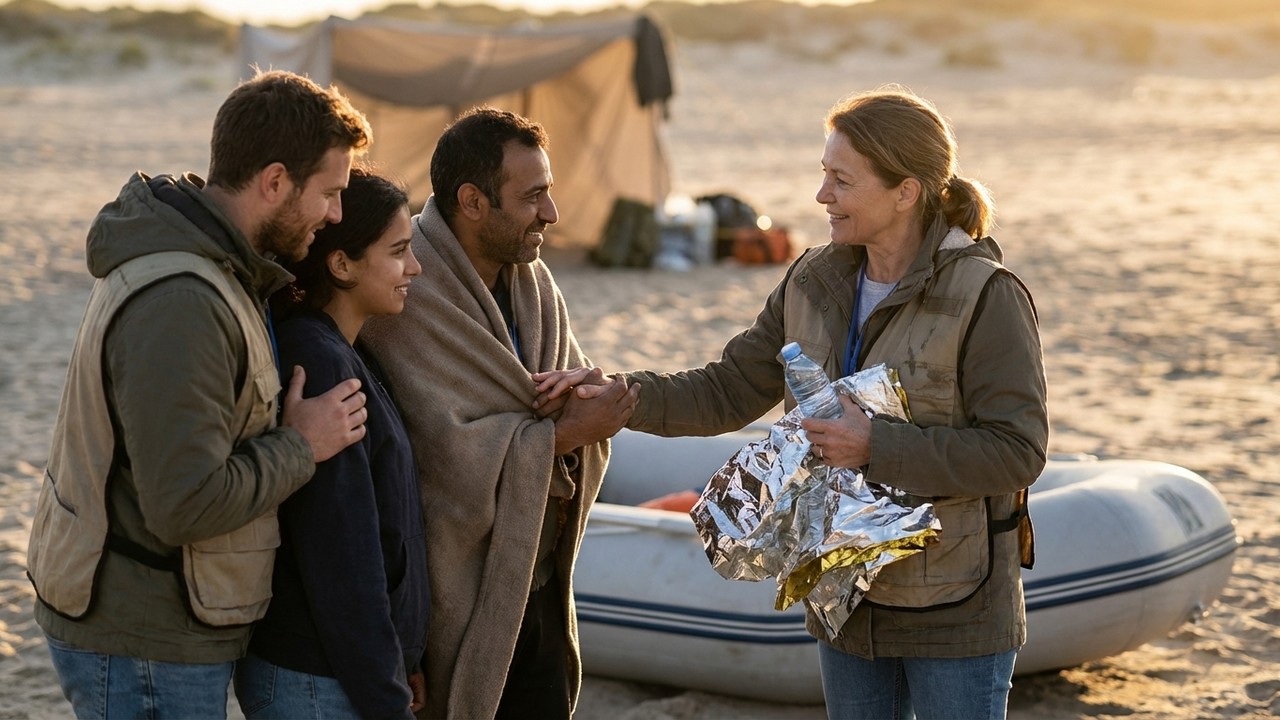
Last winter, I spoke with Amina, a mother who fled flooded homes and violence. She described a midnight crossing in a crowded boat, the small warmth of a blanket handed to her by a volunteer, and the moment a search-and-rescue crew shouted that she and her children were safe. That small intervention was life-changing. Her story is one of millions touched by rescue programs and humanitarian aid.
Why rescue and refugee support matters
Conflict, climate shocks and persecution are converging. The UN Office for the Coordination of Humanitarian Affairs warned that global humanitarian needs remain at record levels, driving underfunded appeals into crisis response gaps. OCHA Global Humanitarian Overview outlines the scale of needs and the funding shortfalls that hamper life-saving work.
"We are witnessing the highest levels of displacement on record," said the UN High Commissioner for Refugees, describing the scope and severity of today’s crises. Source
Search-and-rescue teams, mobile medical units, rapid cash assistance and legal aid can mean the difference between survival and tragedy. Organizations such as the International Rescue Committee (IRC), Médecins Sans Frontières (MSF) and UNHCR run rescue operations, emergency shelters and refugee support programs that reach millions each year.
What the world is seeing now
Routes remain dangerous. The International Organization for Migration tracks thousands of missing migrants and continues to highlight deadly coastal crossings. IOM Missing Migrants provides ongoing data on lives lost and the urgent need for rescue capacity and safe alternatives.
Meanwhile, humanitarian appeals face chronic underfunding. When appeals fall short, shelters close, clinics scale back and families like Amina’s lose vital services. That is why rescue programs and timely funding are critical life-saving solutions.
How you can act today
Small, directed actions add up. Here are practical steps anyone can take to support rescue, advocacy and refugee support:
- Give to trusted responders: support organizations with proven emergency response: IRC donate, UNHCR donate, or MSF donate.
- Advocate: contact your elected officials to back humane refugee resettlement policies and sustained humanitarian funding.
- Volunteer locally: assist resettlement agencies, language programs or community sponsorship efforts that welcome refugees into neighborhoods.
- Share verified information: amplify trustworthy reporting and the voices of displaced people rather than rumors or dehumanizing narratives.
Each act—whether a donation, a petition signature or an hour of mentorship—keeps a rescue chain intact. Rescue programs and humanitarian aid are not distant abstractions; they are immediate, measurable life-saving work.
There is hope. Community-led sponsorships, innovative cash assistance, and coordinated international response have reunited families, restored dignity, and saved lives. The difference between despair and safety often begins with one person choosing to help.
If Amina’s children are alive today, it is because someone in a rescue boat, a clinic nurse and a humanitarian donor chose to act. That choice is yours, too.
Take one step now: visit one of the links above, donate what you can, or write to your representative asking for sustained funding for refugee support and humanitarian aid. When the world must rescue, we all share the responsibility—and the power—to save lives.