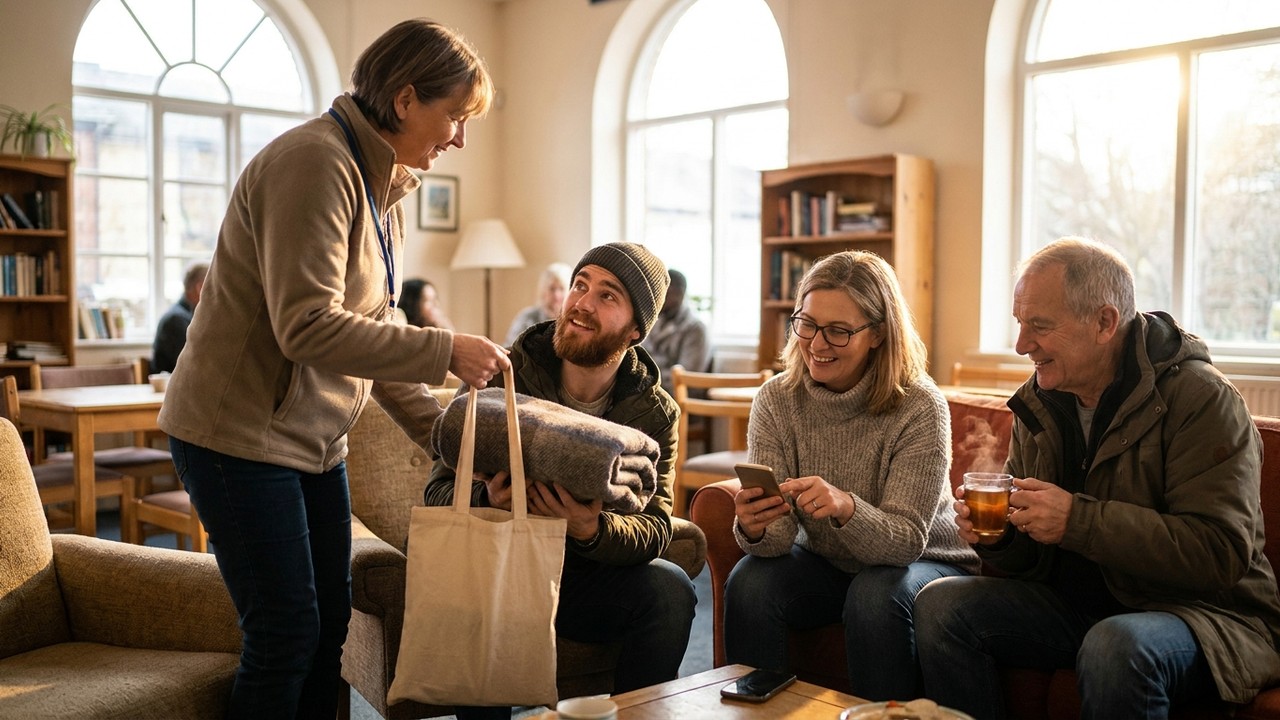
Last winter a volunteer at a city day shelter described meeting a young man who had been sleeping on a friend’s couch while managing sickle cell pain — too often forced to choose between a safe night and timely medical care. Stories like his are quietly common and painfully revealing: chronic illness, homelessness, and isolation compound each other.
Why it matters now
Sickle cell disease affects about 100,000 Americans, with lifelong complications that make stable housing and social support critical to good outcomes. See the CDC for basic data on prevalence and impacts: cdc.gov/sicklecell/data. Meanwhile, homelessness remains an urgent national issue; HUD’s Annual Homeless Assessment Report and leading advocates track the scope and trends of people lacking stable housing: hudexchange.info/ahar and endhomelessness.org.
The hidden cost of isolation
Social isolation is not just lonely: a major review found strong associations between isolation and increased mortality risk. Evidence shows community connection improves health and resilience. Read the meta-analysis here: ncbi.nlm.nih.gov/pmc/articles/PMC4156315.
Organizations doing real work
Nonprofits are bridging gaps. The Sickle Cell Disease Association of America provides education and patient support; the Coalition for the Homeless runs shelters and advocacy programs that keep people safe while they rebuild. Evidence-backed approaches like Housing First reduce returns to homelessness; the National Alliance to End Homelessness explains those models and outcomes: endhomelessness.org.
"No one should have to choose between a roof and their health," a shelter nurse told volunteers. It is that human choice — made daily — that policy and community action can change.
How you can help
Small actions add up. Consider:
- Donating to or volunteering with local shelters and specialized patient groups like the Sickle Cell Disease Association of America: sicklecelldisease.org
- Supporting Housing First and affordable housing policy through advocacy groups such as the National Alliance to End Homelessness: endhomelessness.org
- Checking on neighbors, creating social routines, and connecting people to services — social connection saves lives
Progress is real: models that combine stable housing, medical care, and social support reduce hospitalizations and improve quality of life. If you have capacity, lend time, expertise, or funds to local programs. If you can influence policy, push for sustained funding for housing and equitable access to emerging sickle cell treatments.
Hope is not passive. It is built when communities decide that health, dignity, and a home are not luxuries but basics. Join a shelter shift, make a donation, or share resources with someone in need — one connection can be the hinge between surviving and thriving.