
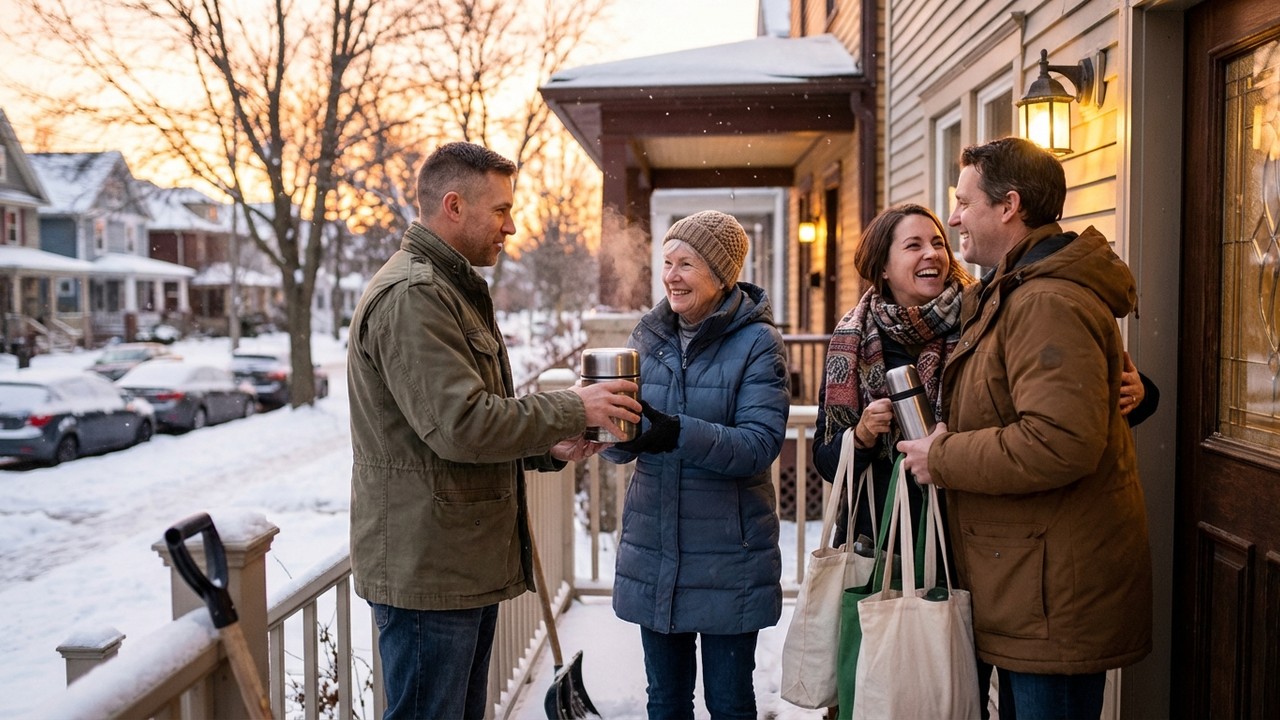
When Army veteran Luis handed a neighbor a hot meal after a winter power outage, he expected thanks. What he did not expect was how that small act would anchor him back into a neighborhood he had drifted from after service. One meal led to weekly check-ins, then to volunteering with a veterans' outreach team — and to a sudden lift in his sense of purpose and wellbeing.
Why this matters now
Veterans, neighborhoods, and heart health are linked. Tens of thousands of veterans appear in U.S. homelessness counts each year; for context, see the Department of Housing and Urban Development's Annual Homeless Assessment Report (HUD AHAR). Heart disease remains the leading cause of death in the United States — about 697,000 deaths in 2020 — and community support plays a real role in prevention and recovery (CDC).
People and organizations making change
Local volunteer groups and national nonprofits bridge gaps. Team Rubicon mobilizes veterans to serve communities after disasters, converting service skills into civic purpose. Operation Homefront focuses on financial and housing stability for military families. Neighborhood food programs and mutual aid networks often provide the first safety net that prevents a crisis from becoming permanent.
"When I started handing out meals I felt useless. Now I feel needed."
What research and recent reporting show
Studies link volunteering to improved mental and physical health, and organizations report that veterans who serve others often regain social connection and purpose. For the scale of homelessness and challenges veterans face, see HUD's AHAR data here and the VA's resources on mental health and suicide prevention here. For practical recovery and community action around heart health, the American Heart Association maintains resources on prevention and local initiatives here.
Simple, proven ways to help
- Volunteer locally with veteran-serving groups, meal programs, or neighborhood cleanups; time and presence matter.
- Support housing and financial stability by donating to organizations that place veterans into stable housing.
- Build neighbor-to-neighbor networks — a regular check-in can prevent isolation and improve heart and mental health.
Local action compounds. A block that organizes weekly walks, shared meals, or emergency contact lists becomes a place that catches people before they fall.
How you can act this week
- Find a reputable partner: Team Rubicon, Operation Homefront, or your local veterans service organization.
- Ask your neighborhood association to create a veteran check-in roster or heart-health walking group.
- Donate time or funds to a local shelter or meal program and encourage employers to offer volunteer time-off.
Hope is practical. Small, consistent neighbor-led actions reduce isolation, improve health, and reconnect veterans to purpose. If Luis's meal can become a routine that saves a life or prevents homelessness, imagine what a block, a church, or a company of volunteers can do.
Join in: show up, check in, and bring someone home—to community and to hope.

