
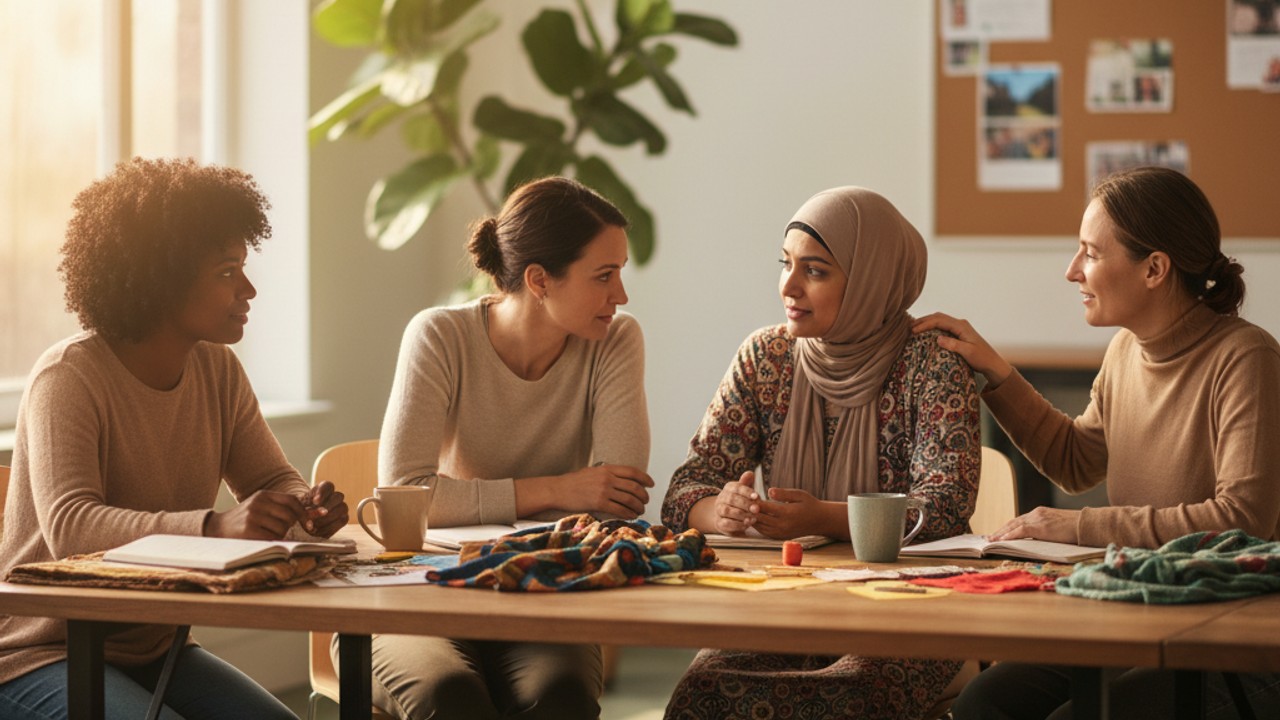
When Amina first walked into the community center, she carried more than a duffel bag; she carried months of sleepless nights, a silence shaped by fear, and a question that felt impossible to answer: how do I begin again? Within months, a peer-support group, a trained counselor, and a small skills class helped her stitch a new life. Her story is not unique — it is a map of what trauma recovery combined with community support can do.
Why this matters now
Violence, displacement, and crisis leave millions with deep psychological wounds. The World Health Organization estimates that roughly one in three women worldwide experience physical or sexual violence in their lifetime, a trauma that often requires sustained psychosocial support and recovery services (WHO). At the same time, volunteer-driven programs and non-profits are expanding trauma-informed care: the International Rescue Committee documents mental health and psychosocial support as a core component of humanitarian response (IRC).
What recent reports tell us
The United Nations Volunteers program published analysis showing how volunteerism strengthens community resilience and fills critical service gaps during crises (State of the World's Volunteerism 2026). Meanwhile, frontline NGOs — including Women for Women International and RAINN (RAINN) — report rising demand for integrated services that combine trauma recovery, livelihoods training, and ongoing support services.
Stories from the field
Trauma recovery is rarely a single intervention; it is a web of services. Counseling, safe spaces, legal aid, vocational training, and volunteers who listen create the conditions for sustainable healing. Programs that center survivors' voices help rebuild agency and economic independence — a key to long-term recovery and empowerment. A participant in a community program once said,
When someone listened without judging, I found a small place inside me that could trust again.
That listening is volunteer labor, trained peer support, and organizational commitment working together.
How you can help today
Action turns empathy into impact. Whether you have time, skills, or funds, community-based trauma recovery and women empowerment programs need everyday allies. Here are practical steps:
- Volunteer your time or professional skills with organizations focused on mental health and empowerment: see the International Rescue Committee for MHPSS opportunities (IRC) or sign up through global platforms such as VolunteerMatch.
- Support specialized non-profits that pair trauma recovery with livelihoods, for example Women for Women International, which provides training and counseling alongside economic support.
- Donate to local shelters and support services, or advocate for increased public funding for mental health and survivor services in your community.
- Start a community service initiative: peer-support circles, donation drives for shelters, and awareness events reduce isolation and stigma.
Hope and a clear call
Healing is a collective project. Amina's story shows what is possible when trauma recovery, women empowerment, robust support services, committed volunteers, and community service converge. You do not need to be an expert to make a difference — presence, patience, and persistence matter. Visit trusted organizations, sign up to volunteer, or give what you can. Every hour of listening, every skill taught, and every dollar invested becomes part of someone’s second chance.
Start now: find a volunteer opportunity or support a survivor-centered program today and become part of the safety net that turns trauma into renewed possibility.


