
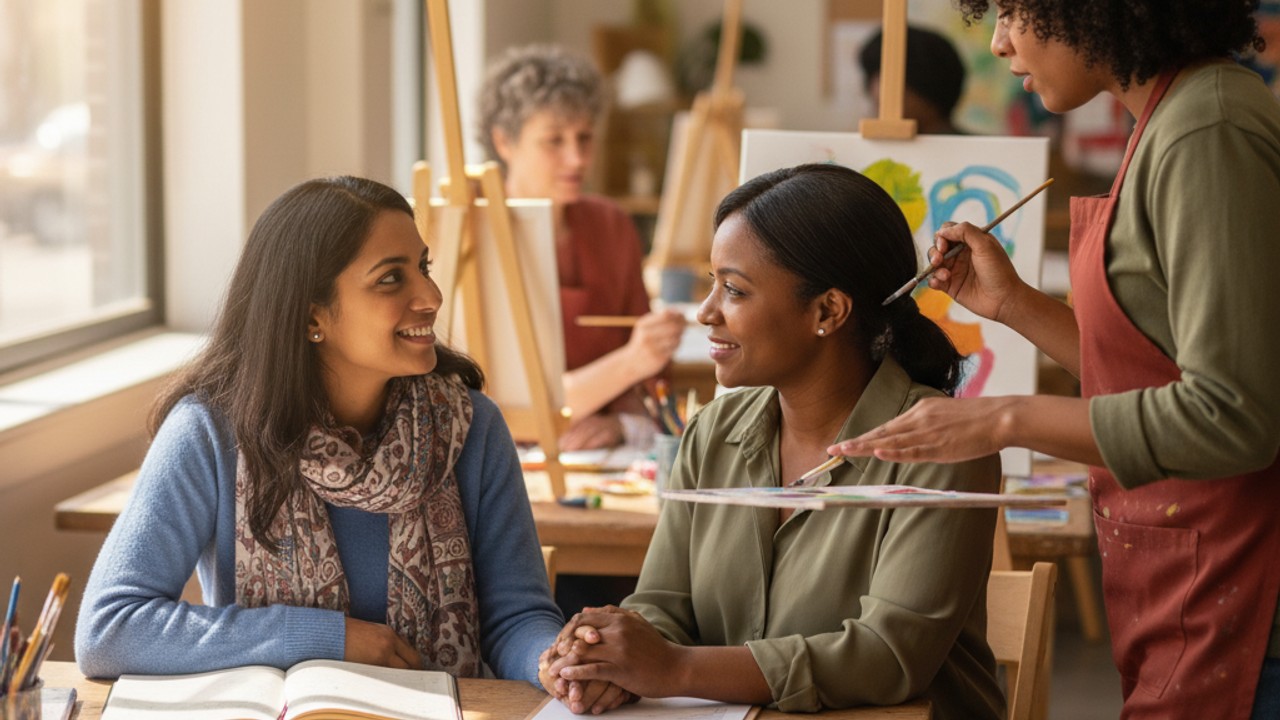
When Amina was told she had a treatable illness, her first thought was not the prognosis but how to pay for the appointments, the medicines, and a bus to the clinic. For millions like her, diagnosis is only the opening of a long, confusing journey across systems that were never built for them.
Half the world still lacks access to essential health services, and the barriers are highest for women and marginalized communities, says the World Health Organization. Those gaps ripple outward into economic insecurity, interrupted education, and the loss of cultural practices that sustain communities (WHO: Universal Health Coverage).
From patient advocacy to community hope
Patient advocates step into that gap. Organizations such as the Patient Advocate Foundation shepherd patients through insurance appeals, financial assistance, and care coordination — turning a solo struggle into a guided process (Patient Advocate Foundation). Their work is not just paperwork; it's the difference between isolation and someone to call at midnight when the next step feels impossible.
"One in three women worldwide has experienced physical or sexual violence," a statistic from the World Health Organization that underscores why tailored advocacy and services for women are essential.
The healing power of arts and culture
When advocacy secures treatment and a path forward, healing can also be social and creative. Arts education helps survivors process trauma, rebuild identity, and reclaim cultural expression. Groups such as Americans for the Arts and Cultural Survival highlight how arts programs boost learning, mental health, and community resilience (Americans for the Arts) (Cultural Survival).
Why this matters now
Recent global conversations — from health equity to women’s rights — have shown that isolated approaches fail. Integrating patient advocacy, accessible services, women’s empowerment, and arts-based cultural support produces durable change. UN Women and civil society partners continue to call for integrated policies that protect rights while enabling creative, community-led recovery (UN Women).
How you can help
- Give time or money: Support local patient navigation or arts-in-health programs so people like Amina can access care and recovery.
- Advocate for policy: Push for universal access to essential health services and funding for community arts and cultural preservation.
- Listen and amplify: Share stories from organizations doing the work and center the voices of those affected.
This work is demanding but hopeful: when systems bend toward people instead of the other way around, recovery follows. If you’re looking for a direct start, visit the Patient Advocate Foundation or a local arts-education nonprofit to volunteer, donate, or learn how to lobby for better services in your community (Patient Advocate Foundation) (Americans for the Arts).
Every call made, every class taught, every policy changed reverberates. Be the link between a diagnosis and a new beginning.


