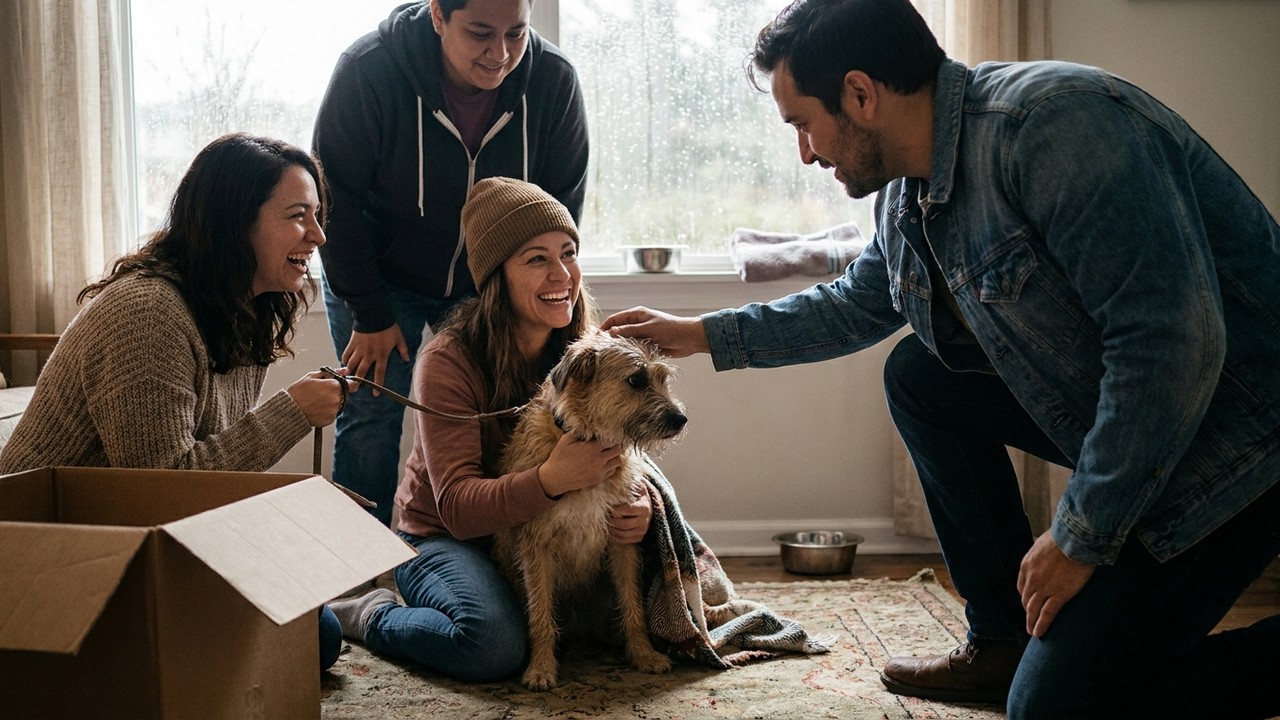
When a frightened dog curled into the bottom of a cardboard box on a rainy night, a neighbor posted a photo with a short plea: please, someone help. Within 48 hours the dog was fostered, vaccinated and moving toward adoption. That small rescue reflects a larger truth: millions of animals wait for the same chance.
Recent data remind us why those small acts matter. The ASPCA estimates that about 6.3 million companion animals enter U.S. shelters every year — roughly 3.1 million dogs and 3.3 million cats — and while outcomes are improving, the need is persistent and local shelters remain stretched thin. (ASPCA pet statistics)
Where the numbers meet people
Organizations such as Best Friends Animal Society and networks like Shelter Animals Count have driven remarkable progress: euthanasia rates have fallen from the high levels of past decades and more animals are finding homes. Yet shelters report regular surges in intake during kitten season, economic stress, and natural disasters, which can overwhelm capacity and staff.
"Every animal has a story, and often the difference between survival and loss is a neighbor who cares," said a shelter volunteer.
What works—and how you can help
There is evidence that community-focused, compassionate solutions move the needle: foster networks, low-cost clinics, trap-neuter-return programs for community cats, and streamlined adoption drives all deliver measurable impact. You do not need to be a large donor to change outcomes. Small, targeted actions build resilience.
- Adopt or foster: Meet animals at local shelters or search networks like Best Friends for adoptable pets.
- Volunteer or foster: Shelters need hands-on help year-round; fostering saves kennelspace and lives.
- Support clinics and spay/neuter programs: Prevention reduces future intake and suffering.
- Donate smart: Fund medical care, behavior training, and transport to experienced rescue partners.
Each step ties back to that image of the dog in a box. Every foster placement frees space. Every adoption ends a story of waiting. Every volunteer hour rebuilds a safety net.
Ready to act? Visit the ASPCA statistics page to understand scope (ASPCA), search nearby animals or volunteer opportunities at Best Friends, and explore shelter data at Shelter Animals Count. Small steps compound: foster one, donate one month, share one post, ask your employer about pet-friendly policies.
Hope is real. Communities across the country are pushing toward no-kill outcomes and more loving homes. That rainy-night rescue? She now sleeps on a couch, snores in sunlight, and reminds everyone who meets her that change is possible.
Take action today: Adopt, foster, volunteer, or give — become the reason a frightened animal finds home.