
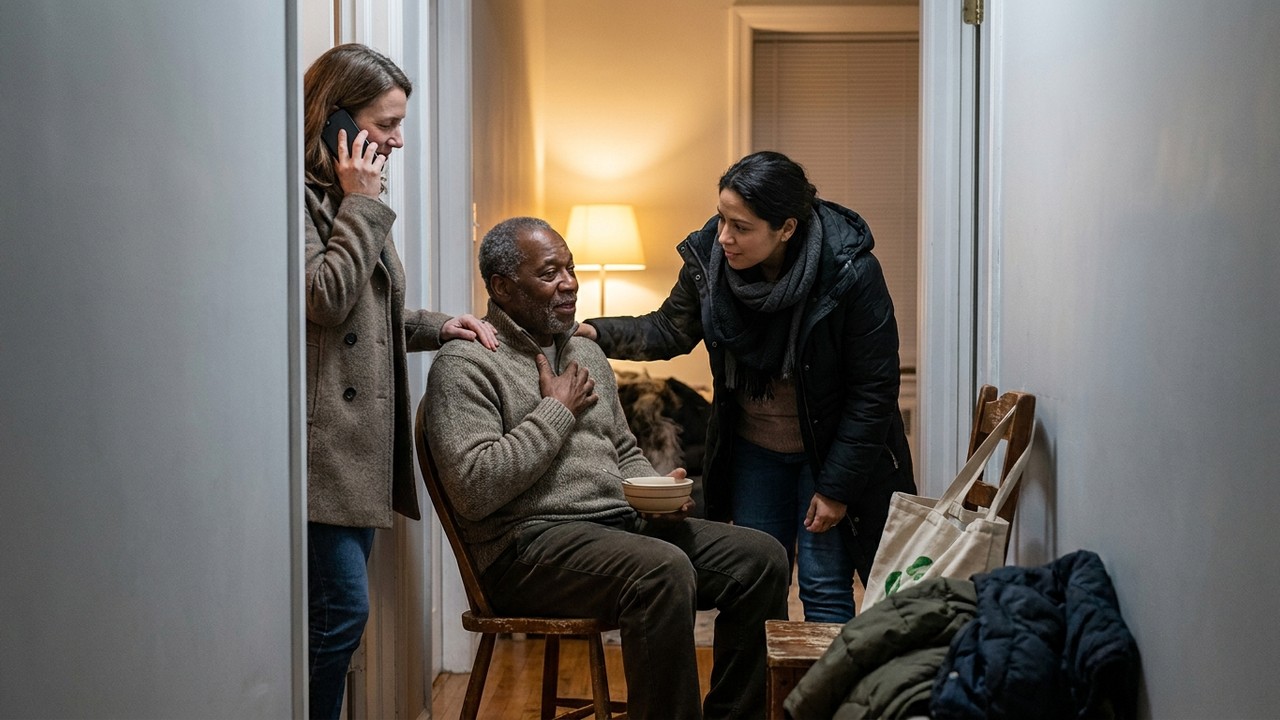
When Maria pushed open a narrow apartment door last winter, she found Mr. Johnson with a steaming bowl and a hand on his chest. She stayed long enough to call his clinic and keep him calm until help arrived. That moment — a volunteer, a neighbor, and quick local connection — prevented a lonely emergency from becoming a tragedy.
Stories like this matter because place and people shape health. The Centers for Disease Control and Prevention notes that health equity means everyone has a fair and just opportunity to be as healthy as possible — and local volunteers are often the bridge to that opportunity. CDC: Health Equity
Why local volunteerism matters
Across the U.S., neighborhood volunteers and community organizations do more than deliver meals: they provide connection, spot early warning signs, and link people to care. Community health centers reach nearly 30 million Americans each year, showing how local infrastructure paired with volunteers can expand access to services. NACHC: Community Health Centers
Heart disease remains the leading cause of death in the United States, and social factors in our neighborhoods influence risk and recovery. The American Heart Association and public health research highlight that social support, food security, and safe spaces to be active all affect heart health. American Heart Association Robert Wood Johnson Foundation on SDOH
What the data tell us
Public data show the scale of opportunity. Roughly one in four Americans volunteer through organized activities each year, bringing time and local knowledge into neighborhoods. Bureau of Labor Statistics: Volunteering
These efforts connect to concrete health results: community-based programs that combine social support, navigation, and clinical care reduce hospital readmissions, improve chronic disease control, and help people stay independent longer. Organizations such as Meals on Wheels America are a good example — delivering nutrition and daily contact to homebound older adults while recruiting local volunteers to be that vital check-in.
"Health equity means everyone has a fair and just opportunity to be as healthy as possible." — CDC
How you can help today
Small actions add up. Consider these practical steps to strengthen neighborhood health:
- Volunteer locally — deliver meals, check on older neighbors, support a community clinic. Start with organizations like Meals on Wheels or your local health center.
- Connect people to care — learn about nearby community health centers and help neighbors register. Find local clinic info at NACHC.
- Advocate for equitable resources — contact local leaders to support funding for social services, safe parks, and accessible clinics that reduce health disparities.
- Listen and notice — volunteers often see needs earlier than systems do. Your regular presence can mean earlier care and less crisis.
This work is both urgent and hopeful. When neighbors show up, they replace isolation with connection, and disconnection with care. You do not need a medical degree to be lifesaving — you need time, compassion, and commitment.
Take one step today: search for volunteer opportunities with a local Meals on Wheels chapter or community health center, make one phone call to a neighbor, or share this note with someone who can help.
When we invest our time in the people next door, we build healthier hearts, fairer access to care, and more resilient neighborhoods. That kind of local impact ripples outward — from one knocked-on door to an entire community healed.


