
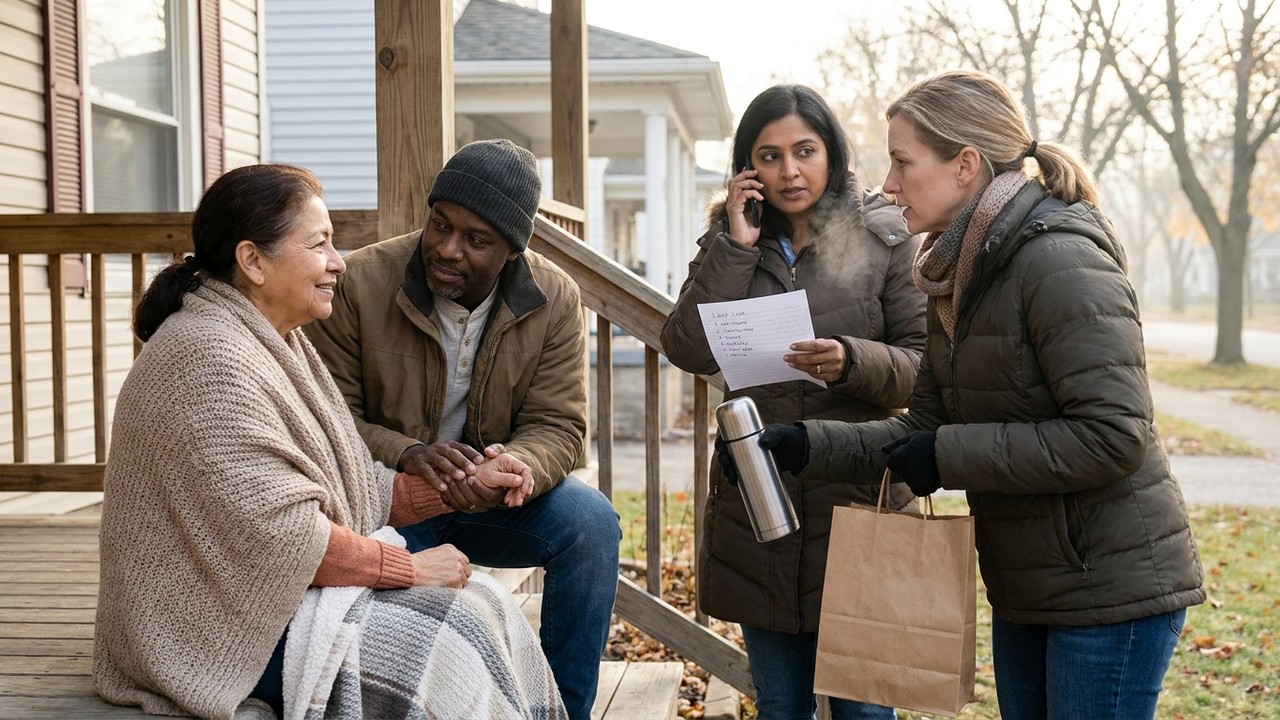
When Mrs. Alvarez's morning check-in didn't come one chilly Tuesday, a neighbor named Jamal knocked on her door and found her confused, dizzy, and frightened. Because nearby volunteers had been trained in basic response and had a quick list of local supports, they helped get her to care and stayed with her until family arrived. That small, neighborly system didn't just save a day; it eased a fear, prevented isolation, and started a path to recovery.
Why neighborhood care matters now
Across the country, community service and volunteerism are not abstract ideals — they're the lifelines that connect people to food, companionship, and lifesaving help. Public health organizations warn that loneliness and social isolation increase risks to physical and mental health; the CDC frames social connection as a public health priority because it affects cardiovascular health, dementia, and premature death (CDC: Loneliness and social isolation). At the same time, community-based nonprofits like Meals on Wheels America and local volunteers deliver more than food: they deliver a daily check-in that prevents escalation of small problems into emergencies.
What the research and leaders say
Evidence shows volunteering also benefits volunteers: Harvard Health reports improved mental and physical well-being among people who give time to others, including lower depression and better longevity (Harvard Health). At the systems level, national networks such as Points of Light and AmeriCorps make it easier to plug volunteers into local efforts that build resilience and respond during crises.
A real, repeatable neighborhood playbook
Simple, local actions save lives and mend hearts. Here are steps neighbors can take this week:
- Start a two-minute check-in where neighbors agree to call or knock on one vulnerable neighbor each day.
- Connect with trusted groups such as Meals on Wheels or local community centers to coordinate meal deliveries and wellness checks.
- Train together in basic first aid or CPR through community classes; point people to volunteer training hubs like Points of Light or national service listings at AmeriCorps Serve.
- Create a neighborhood resource list with phone numbers for local nonprofits, social services, and trusted volunteers — keep it printed for those without internet.
"Showing up is the simplest act with the biggest payoff — we build trust first, then safety follows."
That trust, repeated across blocks and blocks, becomes a communal heart — resilient, responsive, humane.
Where to start today
If you want to help now: visit Meals on Wheels to find local programs that need drivers and phone callers; search volunteer opportunities at Points of Light; or explore neighborhood-empowerment resources at NeighborWorks America. These organizations link you to vetted, high-impact roles that heal hearts and strengthen communities.
You don't need to be a hero — just show up. One phone call, one meal, one visit can dismantle isolation and restore dignity. When neighbors help neighbors, healing happens on the street level, where policy meets people and kindness becomes practical care.
Join a local program, host a block meeting, or commit to one weekly check-in. The smallest acts of service ripple into deep, lasting impact. Let's be the neighborhood that heals.
