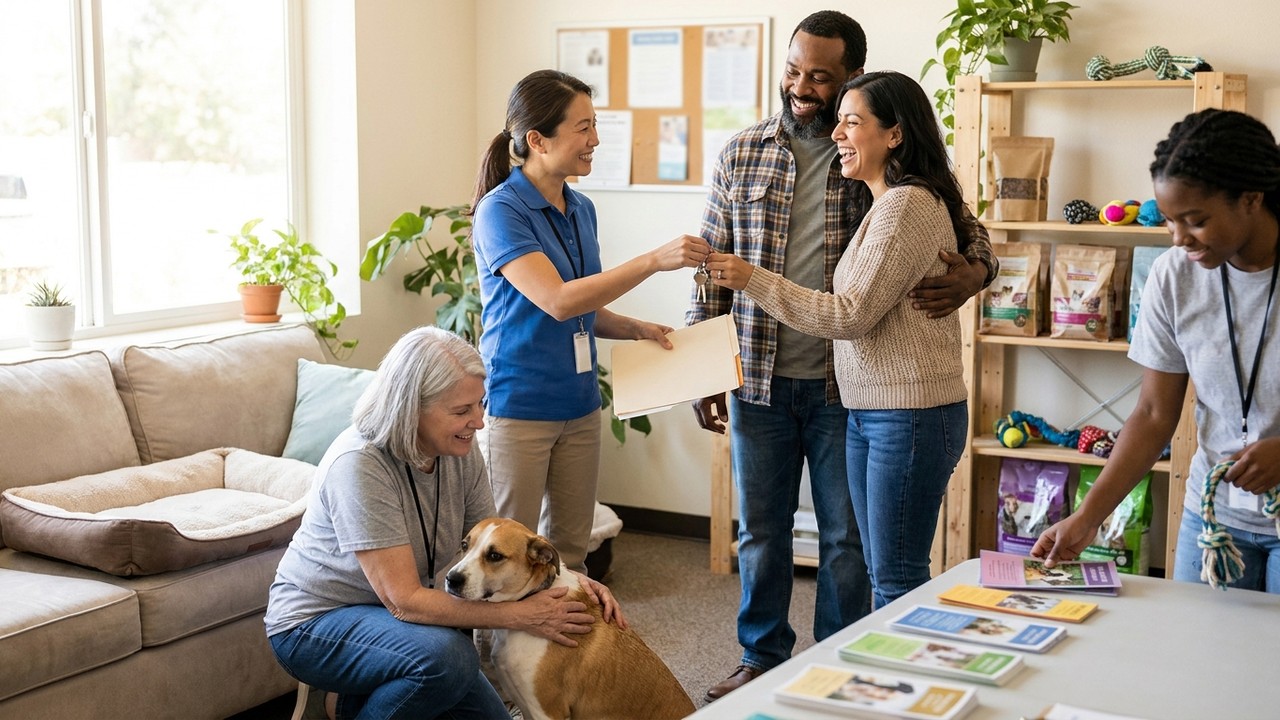
When Maya, a third grader in a community literacy program, met Bruno—a scared, flea-ridden dog from the local shelter—she learned her first lesson in empathy. Within weeks Bruno was calmer, Maya read to him every afternoon, and the shelter found Bruno a forever home. That small chain of care is happening across the country every day, and it matters.
Why this moment matters
Every year an estimated 6.3 million dogs and cats enter U.S. animal shelters, and many of those animals find new lives because individuals and organizations step up to educate, advocate, and provide resources. For background on national shelter intake and trends, see the ASPCA's data and resources: ASPCA Animal Homelessness. The health and emotional benefits of human-animal relationships are also documented by public health experts: CDC Healthy Pets, Healthy People.
Recent developments to know
Community-based adoption and educational programs are scaling up. Organizations such as Best Friends Animal Society and Petfinder continue to promote no-kill initiatives, coordinated transfer networks, and school outreach to reduce shelter intake and improve adoption outcomes. Meanwhile, veterinary and behavior education is becoming more accessible online, and resource centers are expanding to support foster families and first-time adopters.
How education and advocacy change outcomes
Education reduces returns and saves lives. When adopters learn about basic behavior, enrichment, and veterinary care, pets stay in homes longer. When schools include humane education—like reading-to-dogs programs—children gain confidence while shelter animals get critical socialization. Advocacy pushes for funding, humane policies, and community resources so shelters can focus on care rather than overcrowding.
What you can do today
- Visit a local shelter or rescue and ask about volunteer or reading-to-pet programs: many centers welcome school partnerships. See local listings at Petfinder.
- Consider fostering: short-term homes open kennel space and help animals gain adoptability.
- Donate to nonprofits with proven community programs, such as Best Friends or your local humane society, to support education and resource centers.
- Share accurate information on basic animal care to reduce surrenders and empower new owners.
Real hope, real impact
Small acts add up. A volunteer who reads for an hour a week, a teacher who invites a shelter to speak, a family who fosters during kitten season—these steps reduce fear, build skills, and create adoptions that last. Nonprofits and resource centers are building toolkits and training to make these contributions easier and more effective.
"When communities teach children compassion and support families with resources, we don't just save pets—we build a kinder future."
Take a next step: contact your local shelter, sign up to foster or volunteer, or support a national partner like Best Friends today. For immediate resources and listings, start at Petfinder and learn more about national trends at ASPCA. Your awareness and action turn a fragile story into a second chance.