
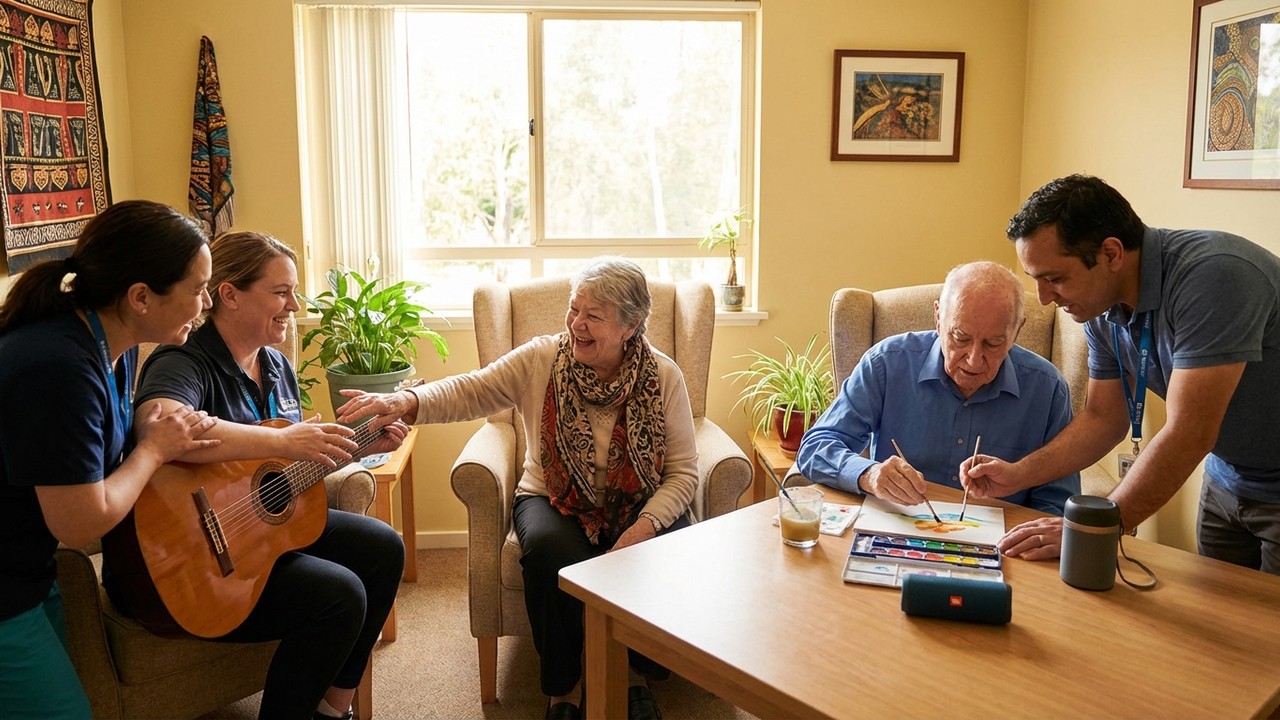
In 2023, an estimated 6.7 million Americans aged 65 and older were living with Alzheimer's disease, according to the Alzheimer's Association facts & figures. Imagine a familiar song turning a silent room into a conversation — that is the quiet power when arts, culture, and compassionate care meet.
Why this matters now
Millions of families shoulder the daily work of care: family caregiver organizations document the scale and strain of unpaid caregiving across the United States (Family Caregiver Alliance). At the same time, an evidence review by the World Health Organization finds meaningful links between arts-based programs and improved health and wellbeing (WHO review). These are not abstract benefits; they translate into calmer dementia care moments, reduced isolation, and renewed dignity for patients and their families.
Real people, real programs
Nonprofits are turning research into practice. Music & Memory brings personalized music to seniors and people with dementia, reporting countless stories where a playlist sparked recognition, solace, and connection. The Alzheimer's Association provides care resources and advocacy for families navigating long-term illness, and groups like the National Patient Advocate Foundation (NPAF) push for policy changes that protect patients and caregivers.
Evidence + culture = tangible relief: arts programs in clinical and community settings reduce agitation, improve mood, and support social connection — outcomes that matter to both patients and their families. See the WHO evidence synthesis for program examples and measured benefits here.
How you can help
Small actions add up. If you want to make a difference today, consider these concrete steps:
- Volunteer time or talent: offer to sit with a neighbor, lead a sing-along, or teach a simple art activity at a care center.
- Support proven nonprofits: donate or fundraise for organizations like Music & Memory, the Alzheimer's Association, or caregiver networks such as Family Caregiver Alliance.
- Advocate: contact your representatives to support policies that expand community health services, respite care, and arts-in-health funding (NPAF can help you get started: patientadvocate.org).
- Share stories: lift up how culture and care helped someone you know — personal testimony builds public will for programs and funding.
Every song, every painted page, every patient voice returned to the room is proof that culture heals.
Caregivers and providers face real strain, but the combined forces of patient advocacy, family support, arts education, health services, and cultural programs create pathways to better days. Your time, voice, or a modest gift can help scale programs that restore memory, relieve caregiver burden, and reconnect communities. Start by visiting one of the organizations above, sharing this post with someone who cares, or pledging a small monthly gift — change often begins with a single, steady step.

