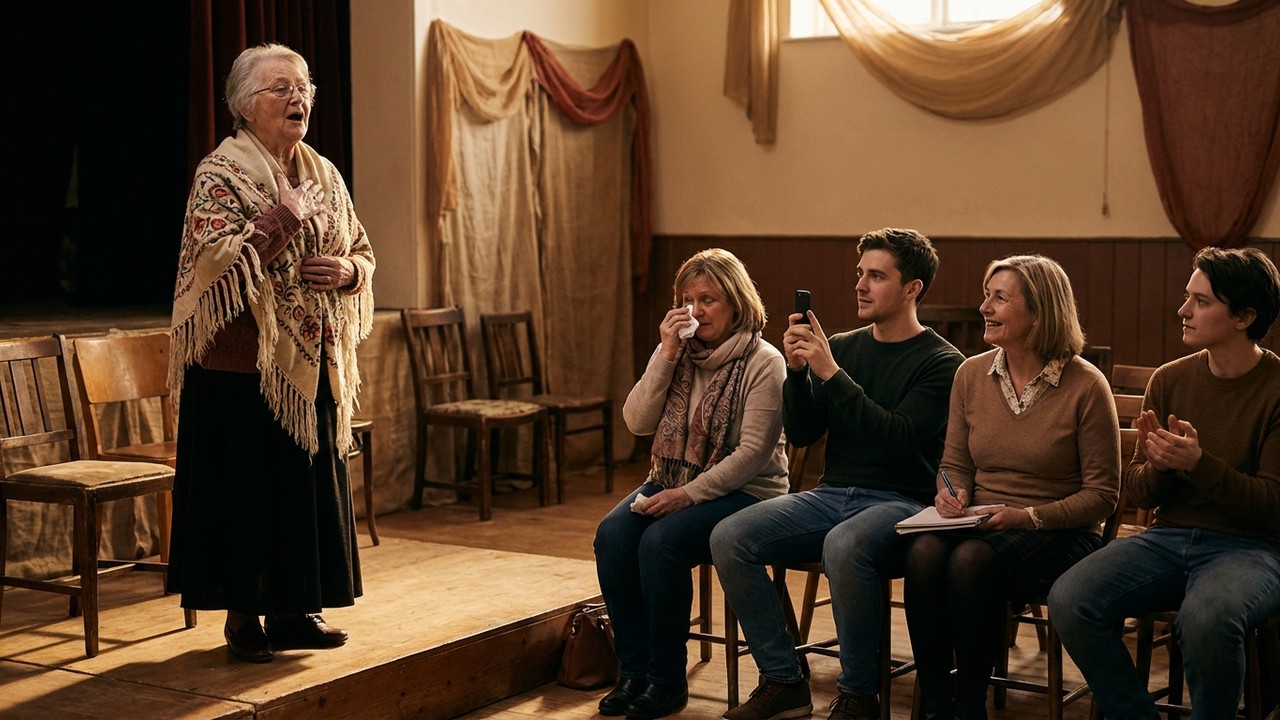
When 82-year-old Asha stepped onto the community stage last month and sang a lullaby in her grandmother's tongue, the room went quiet. For ten minutes, a language that once risked disappearing threaded the audience together: elders wiping tears, teenagers recording on their phones, a teacher making plans to bring the song into the classroom. That moment captured how performing arts and community engagement can become lifelines for endangered languages.
Why this matters now
Languages are disappearing at alarming rates. UNESCO warns that nearly half of the world's roughly 7,000 languages are endangered, a loss that erases histories, knowledge, and identity forever. See UNESCO's overview on language diversity and safeguarding here.
Organizations tracking language vitality report growing urgency. The Endangered Languages Project gathers documentation, resources, and maps that communities and researchers use to plan recovery efforts; explore their resources here. The Smithsonian's Recovering Voices program works with communities to archive songs, stories, and performances for future generations; learn more here.
Where performing arts and heritage meet
Performances are more than entertainment; they are practice, pedagogy, and memory. A staged dance or a community concert gives younger speakers a living context for vocabulary, cadence, and expression. The First Peoples' Cultural Council supports language programs that pair elders with youth through music, theater, and digital media. See their programs here.
Recent initiatives show impact: community theaters incorporating indigenous scripts, music workshops that produce bilingual albums, and festivals that make space for minority-language performances. These models increase visibility, spark pride, and create new learners.
Small steps, huge ripple effects
You don't need to be a linguist to help. Here are practical actions that build momentum:
- Attend a local performance in a heritage language and bring friends.
- Support nonprofits doing this work, for example by donating to the Endangered Languages Project or the First Peoples' Cultural Council (Endangered Languages Project, First Peoples' Cultural Council).
- Volunteer to record elders, help caption videos, or fund a community workshop.
- Advocate for arts funding at local councils—performing arts grants often fund language-focused projects.
"When a song survives, a people remember who they are." — community arts organizer
There is reason for hope. From grassroots theater groups to national cultural institutions, partnerships are multiplying. Digital tools make recordings and lesson modules shareable; festivals amplify visibility; younger activists are reclaiming languages through rap, theater, and social media. The problem feels urgent because it is, but urgency is also a call to action.
If Asha's lullaby taught us anything, it's that preservation begins in common rooms and on small stages. Choose one action this week: attend a performance, share a recording, donate, or simply ask an elder to teach you a line of a song. Those tiny choices become archives, classrooms, and future performances.
Take the next step: Visit the Endangered Languages Project site to find documentation projects you can support, or contact the First Peoples' Cultural Council to volunteer. Your attendance, voice, or small donation fuels living culture. The next lullaby could be the link that keeps a language alive.