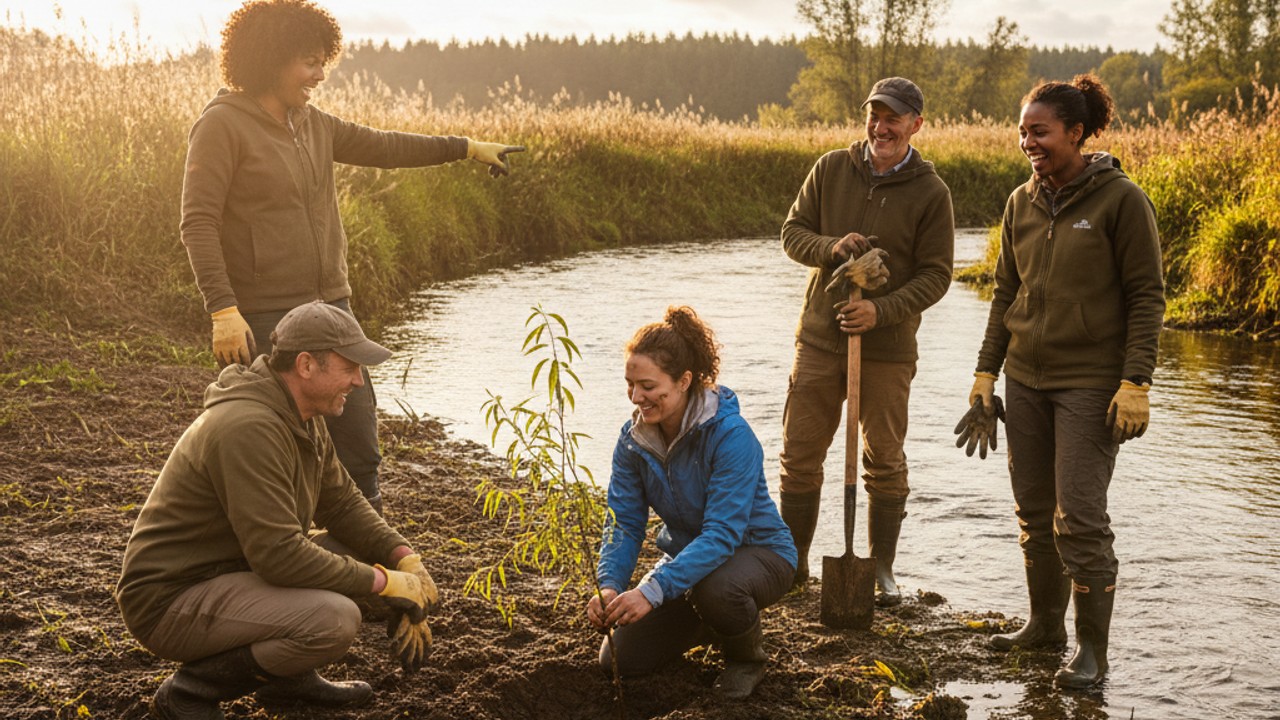
When volunteers waded into a muddy riverbank last spring, they found places where salmon had already started to return. It was small, messy work — cutting invasive plants, planting willows, regrading a bank — but it told a larger story: freshwater life is trying to come back. Freshwater wildlife populations have fallen by an estimated 83% since 1970, a wake-up call documented in the Living Planet Report 2022 by WWF: livingplanet.panda.org.
The struggle of rivers is global: urban runoff, legacy dams, shrinking floodplains and land use changes starve watersheds of the clean water and connected habitat they need. Organizations like American Rivers and The Nature Conservancy are pairing science with local communities to reverse that trend — removing obsolete dams, restoring riparian buffers and protecting key lands to keep rivers flowing.
Why this matters now
The U.S. Environmental Protection Agency's National Aquatic Resource Surveys show many streams and rivers still suffer poor biological condition, and clean-water investments remain critical: epa.gov/national-aquatic-resource-surveys. At the same time, conservation targets like the global push to protect 30 percent of land and water by 2030 have intensified support for watershed and land-conservation solutions, led by groups including The Nature Conservancy: nature.org/30x30.
There are reasons for hope. Across the U.S. thousands of local watershed groups, land trusts and nonprofits have shown that targeted restoration yields measurable results: improved fish runs, cleaner drinking water and more resilient floodplains. Dam removals and restored floodplains reconnect rivers to their natural processes and give communities back vibrant places to gather.
How you can help today
Change happens at the confluence of policy, funding and grassroots action. Consider these practical steps:
- Join or support local groups: volunteer with watershed groups or donate to organizations such as American Rivers or your local land trust (landtrustalliance.org).
- Protect land around streams: advocate for riparian buffers and support 30x30 conservation goals to secure floodplains and recharge areas.
- Raise your voice: contact local officials about funding for watershed projects and nature-based flood mitigation.
- Show up: attend river cleanups and restoration plantings — community engagement is what turns projects into lasting stewardship.
"Rivers are not isolated pieces of nature; they are the threads that stitch communities, wildlife and landscapes together."
Take heart: small acts multiply. When communities protect land, restore rivers and guard watersheds, they rebuild ecosystems and resiliency. If you want one concrete next step, find a local river group, sign up for a volunteer event this month, or support one of the groups linked above. Your time and voice matter.