
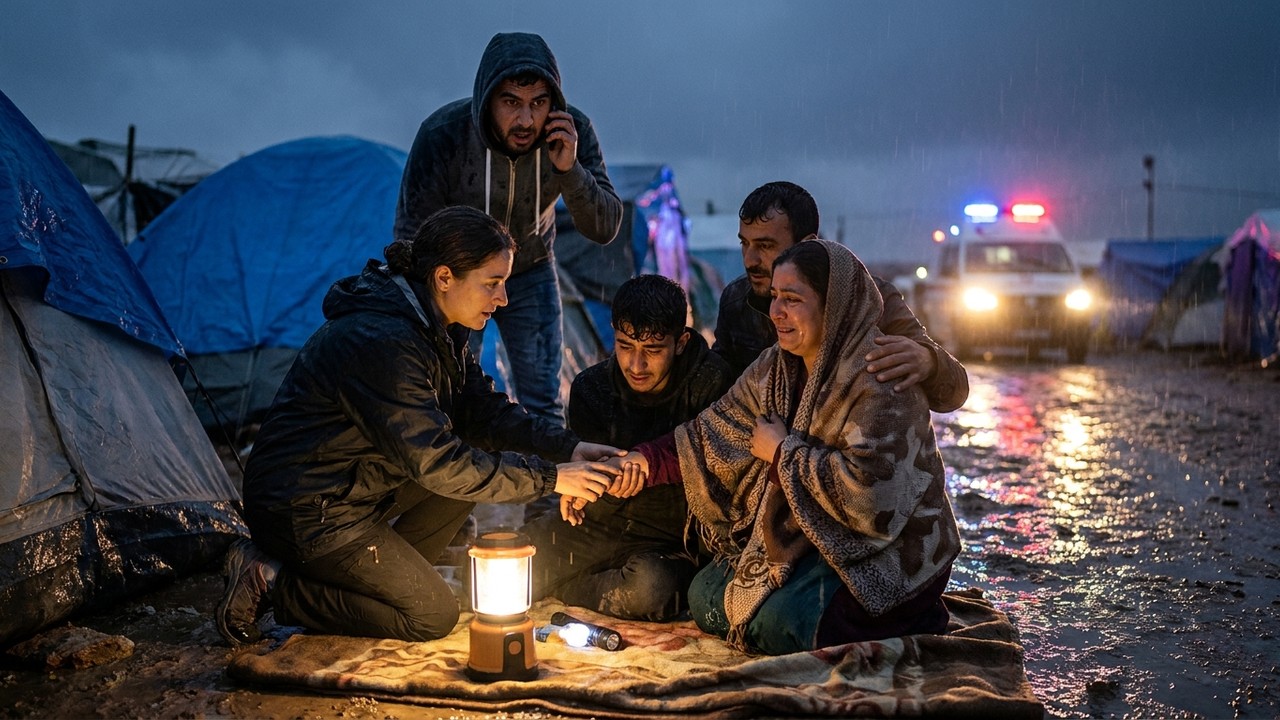
On a rain-soaked night in a refugee settlement, a volunteer knelt beside a trembling boy and guided his aunt through seizure first aid until an ambulance arrived. That small, steadying presence changed fear into calm—and showed how training, community care, and international support intersect to save lives.
Why this matters now
Epilepsy affects about 50 million people worldwide, and stigma, lack of access to diagnosis, and limited training mean many never get the care they need. See the World Health Organization's epilepsy factsheet for the latest overview: WHO: Epilepsy.
Mental health is closely linked: the WHO World Mental Health Report (2022) reminds us that mental disorders are a leading cause of ill-health and disability worldwide, and that integrating mental health into community and primary care saves lives.
Nonprofits on the front lines
Organizations are turning evidence into action. The Epilepsy Foundation provides seizure-first-aid education and advocacy. The National Alliance on Mental Illness (NAMI) builds community-based peer support in the U.S. internationally, groups like the International Rescue Committee deliver mental health and psychosocial support in crises. Training initiatives such as Mental Health First Aid teach practical skills to help someone in distress.
"When neighbors are trained, emergencies feel less like tragedies and more like moments where people can act with competence and care."
What you can do today
Small steps multiply:
- Get trained: sign up for mental health first aid or seizure-first-aid courses (Mental Health First Aid, Epilepsy Foundation).
- Support trusted nonprofits: donate or volunteer with groups like Epilepsy Foundation, NAMI, or the International Rescue Committee.
- Advocate locally: push for mental health services in schools, workplaces, and refugee support programs.
- Start a community conversation: host a workshop or share reliable resources to reduce stigma.
Hope in action
Recent years show progress—more training programs, stronger international commitments, and growing recognition that mental health and neurological care belong in community responses. Every trained neighbor, every funded program, every shared story chips away at isolation.
Join the movement: sign up, donate, or teach what you learn. When care crosses borders of fear, distance, and stigma, we build communities that protect the most vulnerable. For resources and to take concrete action now, visit the links above and consider reaching out to a local chapter of the organizations mentioned.